Teaching Laboratories

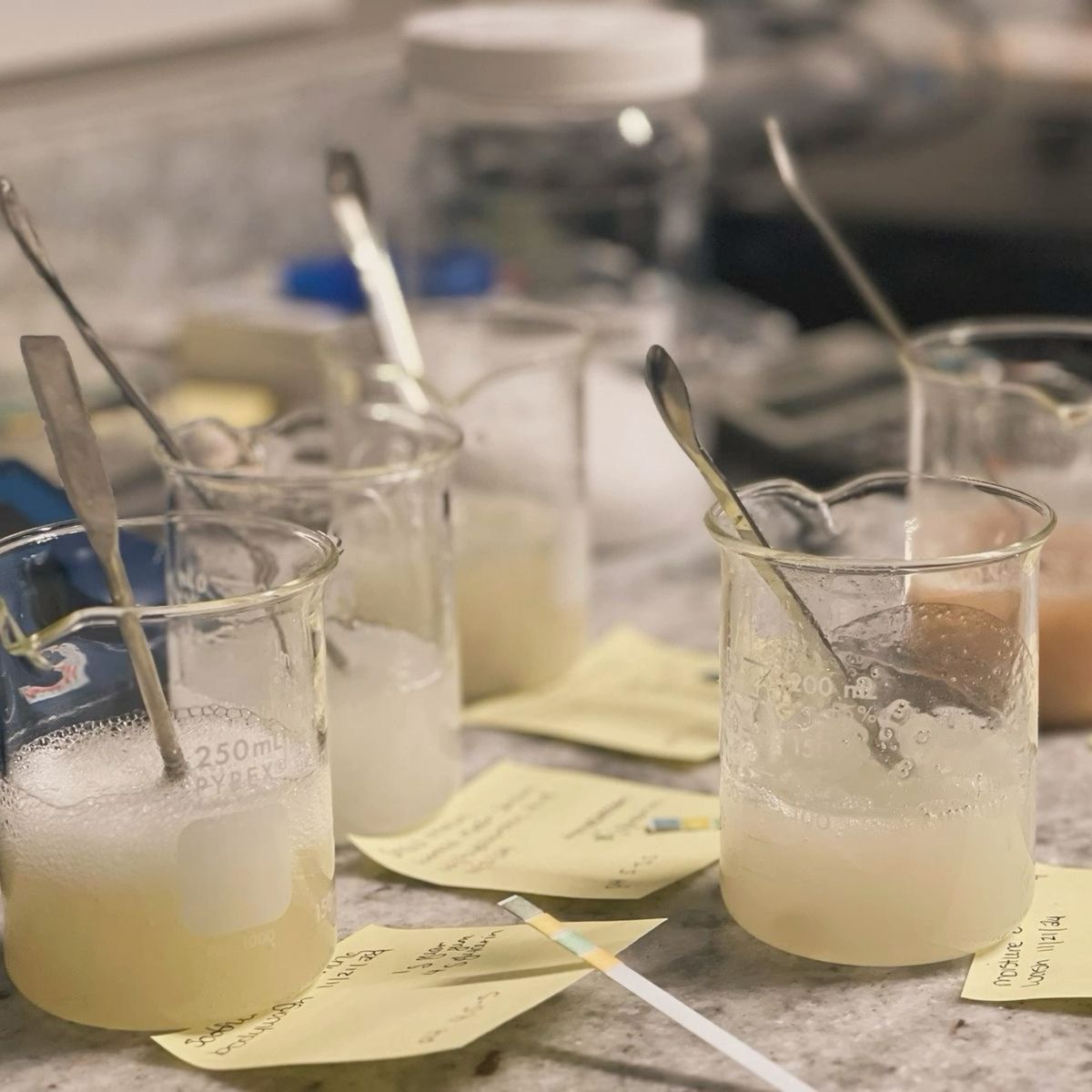
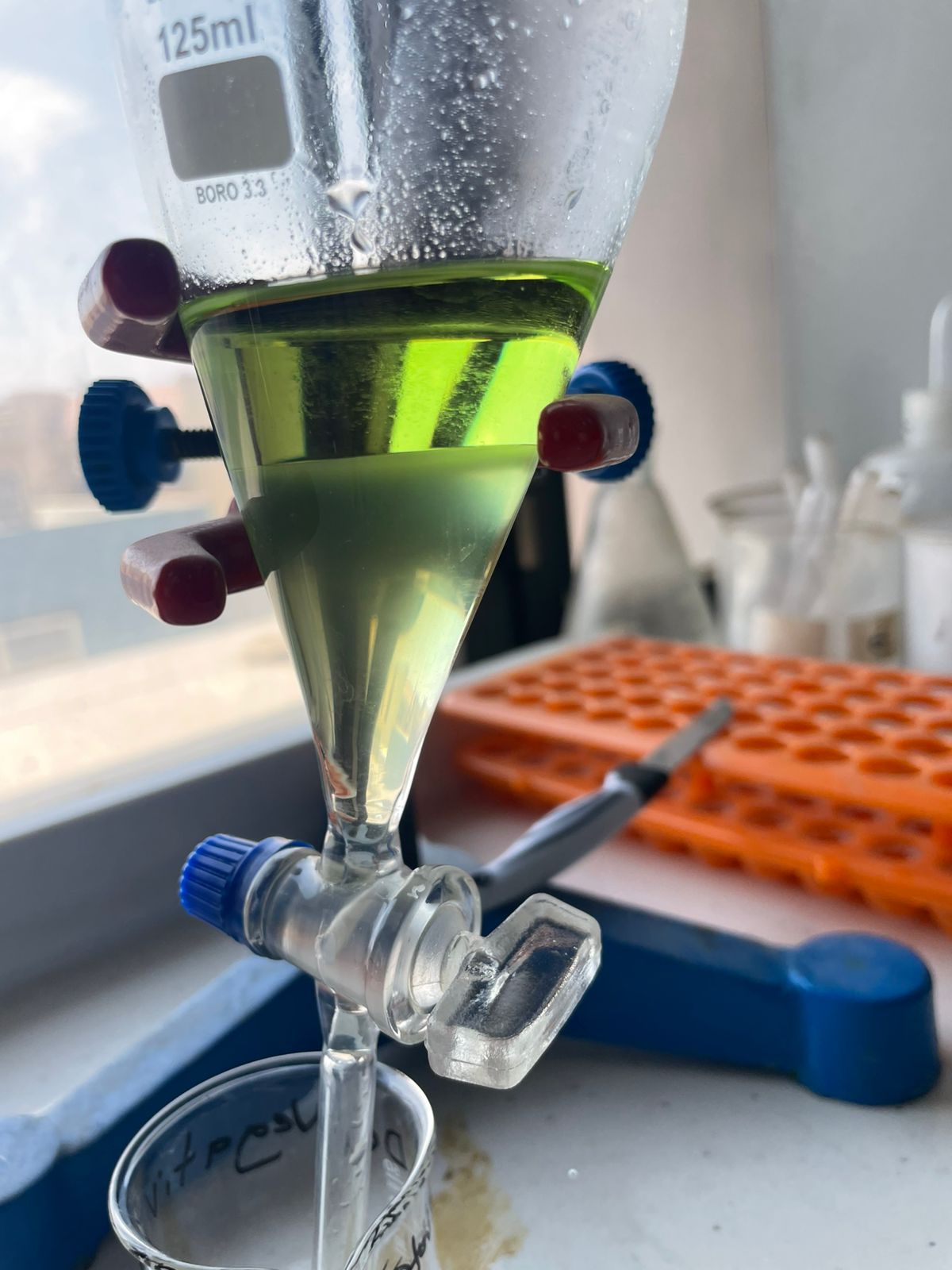
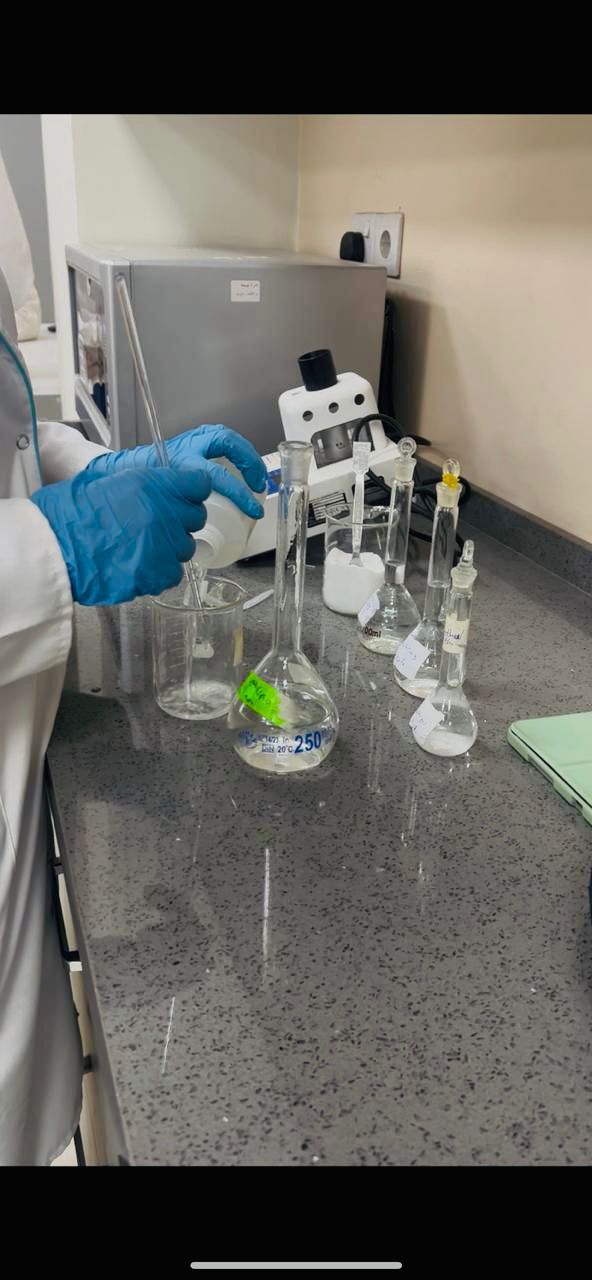
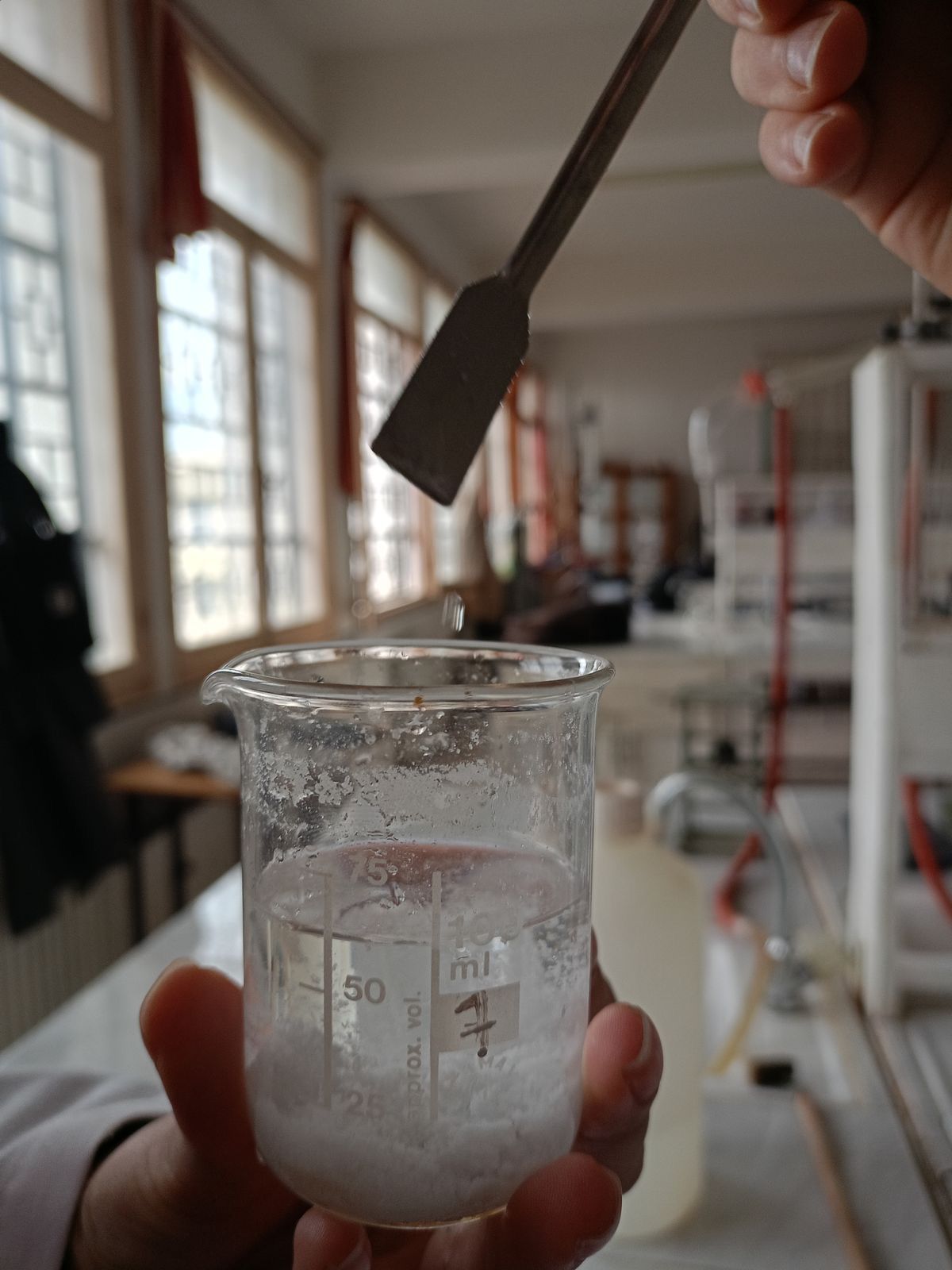
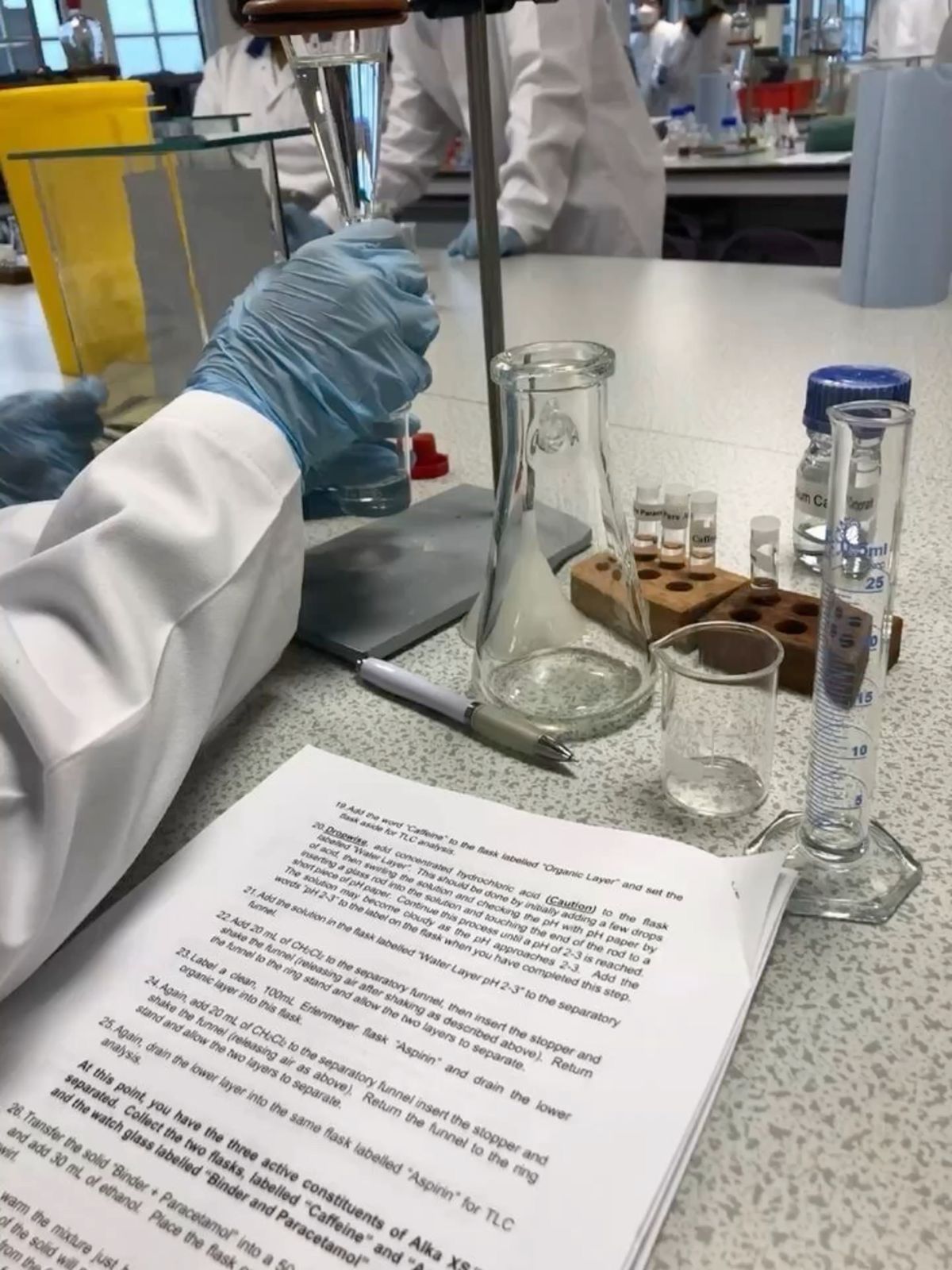
The College of Pharmacy comprises nineteen laboratories. Teaching laboratories constitute a fundamental pillar of the educational process, as they contribute to bridging theoretical knowledge with practical applications and enable students to acquire essential laboratory skills based on rigorous scientific principles. These laboratories are equipped with modern instruments and technologies utilized in the fields of pharmaceutics, pharmaceutical chemistry, analytical chemistry, pharmacology, and toxicology, in alignment with curriculum requirements and accredited academic standards.
Moreover, they provide a safe and stimulating learning environment that fosters scientific thinking and teamwork, and contribute to the preparation of competent pharmaceutical professionals capable of keeping pace with scientific advancements and serving the healthcare sector efficiently and proficiently.


Laboratory of Biochemistry

It focuses on the study of chemical substances and processes within living systems such as cells, tissues, and organs. Various techniques are applied to understand and analyze the chemical aspects of life, including the investigation of biological reactions, the analysis of proteins and nucleic acids, and other research areas related to health and life sciences.

Laboratory of Physiology

The Physiology Laboratory is considered one of the essential laboratories for students of the College of Pharmacy, as it elucidates the concept of homeostasis through the study of organ functions. It provides comprehensive practical training for second-year students on hematological investigations such as Complete Blood Count (CBC), Erythrocyte Sedimentation Rate (ESR), Blood Group determination, Bleeding Time (BT), and Clotting Time (CT), among others.
 

Laboratory of Organic Chemistry

It is considered one of the fundamental laboratories in colleges of pharmacy and aims to train students in the basic principles and techniques of organic chemistry related to pharmaceutical compounds. The laboratory focuses on the study and preparation of organic compounds with pharmacological activity, as well as their analysis using various chemical and spectroscopic methods.


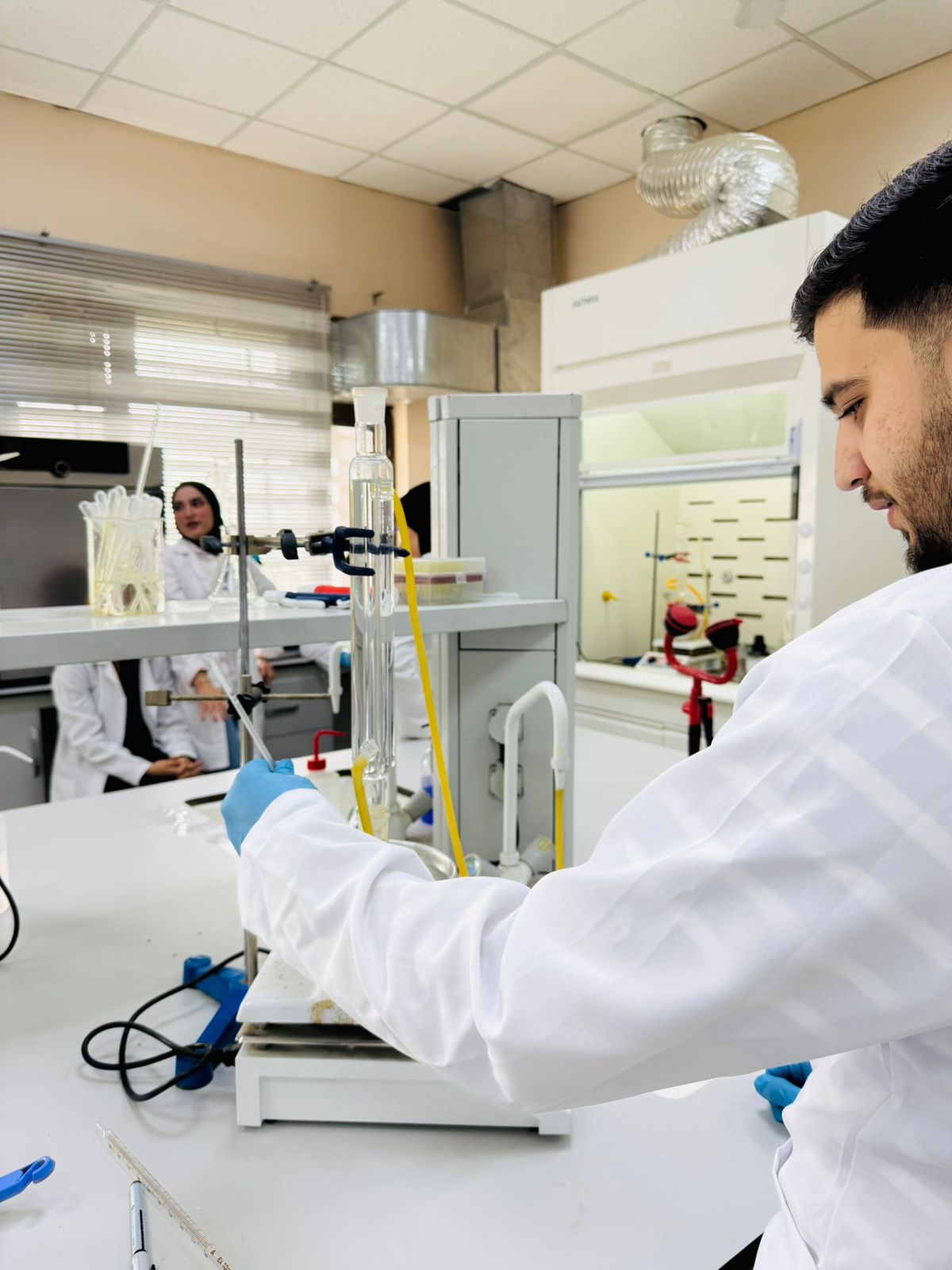
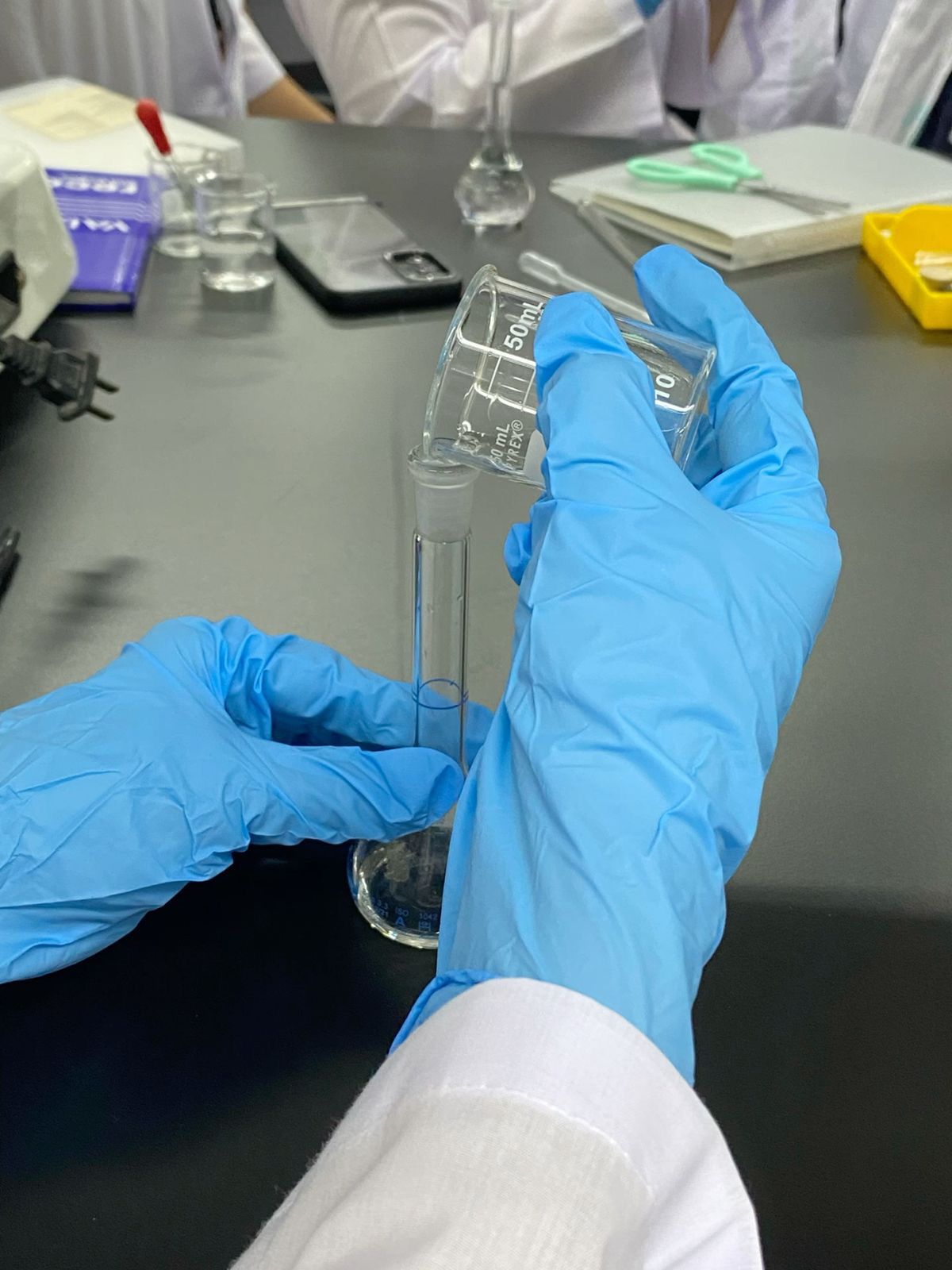
Laboratory of Analytical Chemistry

It encompasses teaching students the fundamentals of analytical chemistry and its applications in medical, pharmaceutical, and laboratory fields. It also trains them in the preparation of standard solutions and the determination of unknown concentrations using various titration methods, including acid–base, redox, and precipitation titrations.
Laboratory of Pharmaceutical Chemistry

This laboratory provides experiments for third-year students, aiming to train them in the principles of inorganic pharmaceutical chemistry and its applications in medical and pharmaceutical fields, as well as to understand atomic and molecular structures and their relation to intermolecular forces and metal complexes.

Laboratory of Medical Physics

It aims to teach first-year students the fundamental physical concepts and their applications in medical fields. This includes training on the use of medical devices and developing students’ skills in conducting practical experiments and interpreting experimental results.


Laboratory of Biology

It aims to teach students the biological fundamentals of living organisms and their applications in pharmaceutical sciences.


Laboratory of Physical Pharmacy

It focuses on studying the physicochemical properties of drugs and how they influence their efficacy.

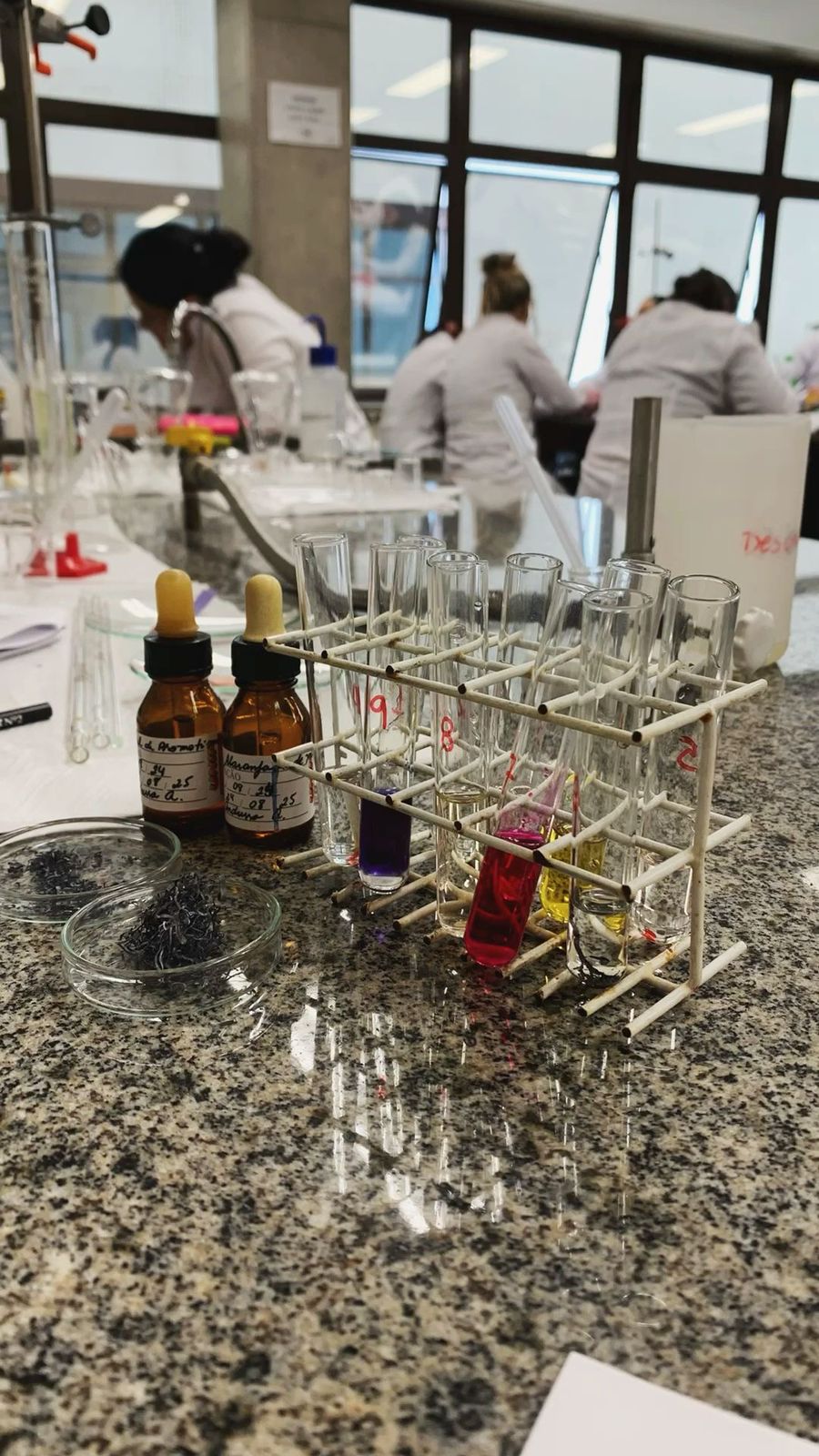
Laboratory of Pharmacognosy

It aims to introduce students to medicinal plants and their therapeutic components, teaching them how to extract and purify these components and assess their chemical and physical properties.

Laboratory of Pharmacology

It aims to train students in the scientific and practical principles of pharmaceutical analysis, understand the pharmacological and toxicological properties of drug formulations, and develop their skills in the preparation and evaluation of medications.

Laboratory of Biopharmaceutics

It aims to train students in the evaluation of drugs and pharmaceutical formulations in vitro, conduct dissolution tests for solid dosage forms such as tablets and capsules, and prepare them to work in pharmaceutical research centers.

Laboratory of Pharmaceutical Technology

It provides educational services in the field of drug manufacturing and the improvement of their physicochemical properties using modern techniques through scientific research and teaching.

Laboratory of Industrial Pharmacy

It aims to train students in pharmaceutical dosage form manufacturing techniques according to industrial standards and drug quality requirements, while providing a research environment to support innovation in the pharmaceutical industry.

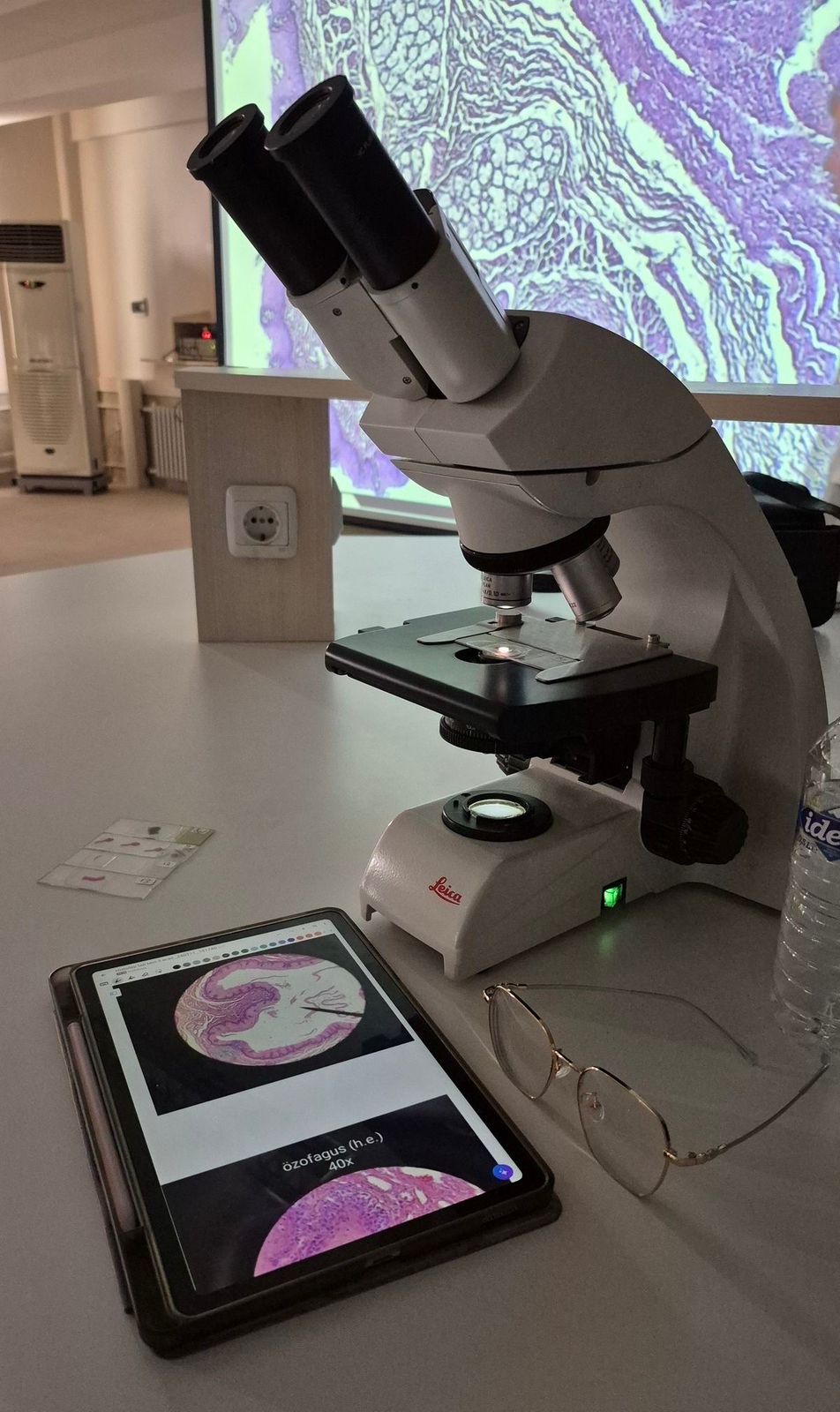
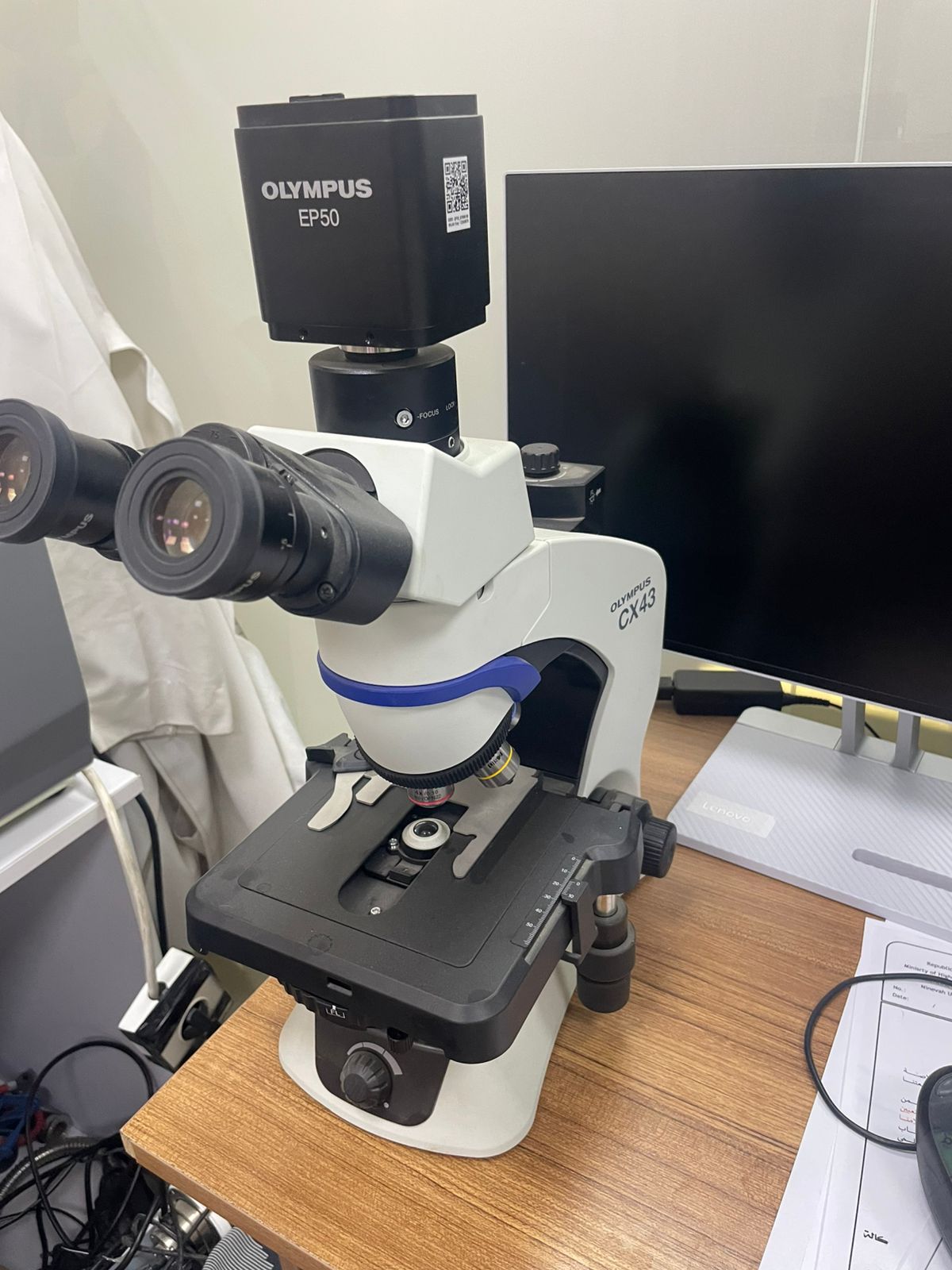
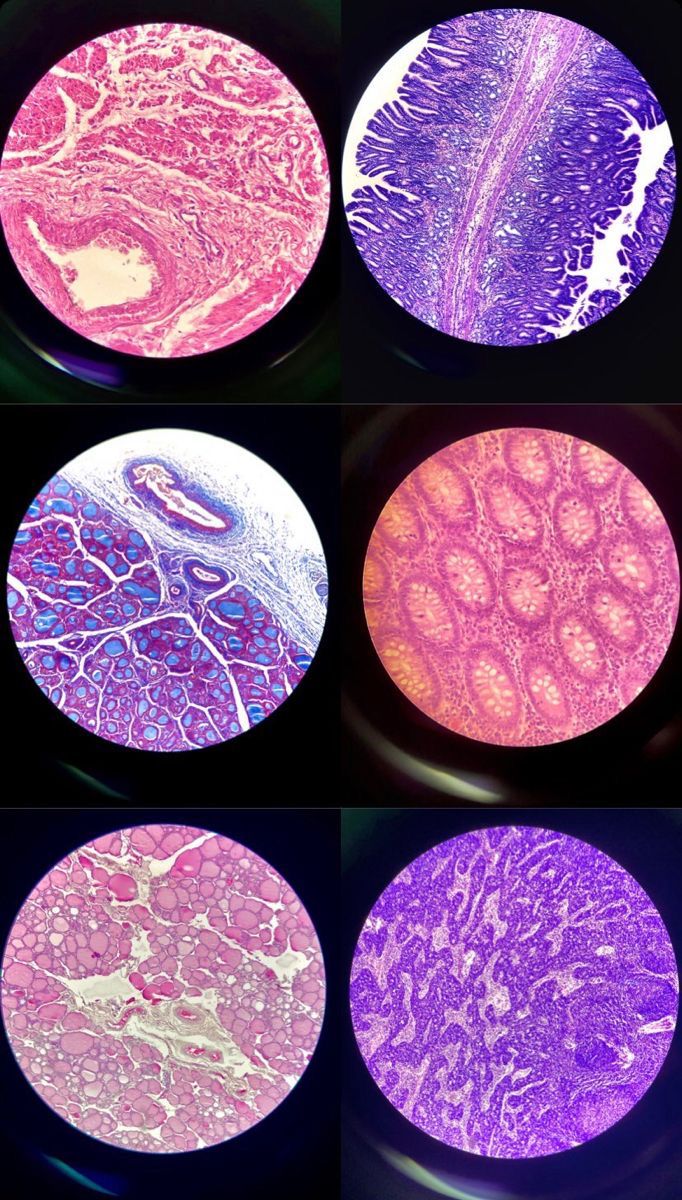
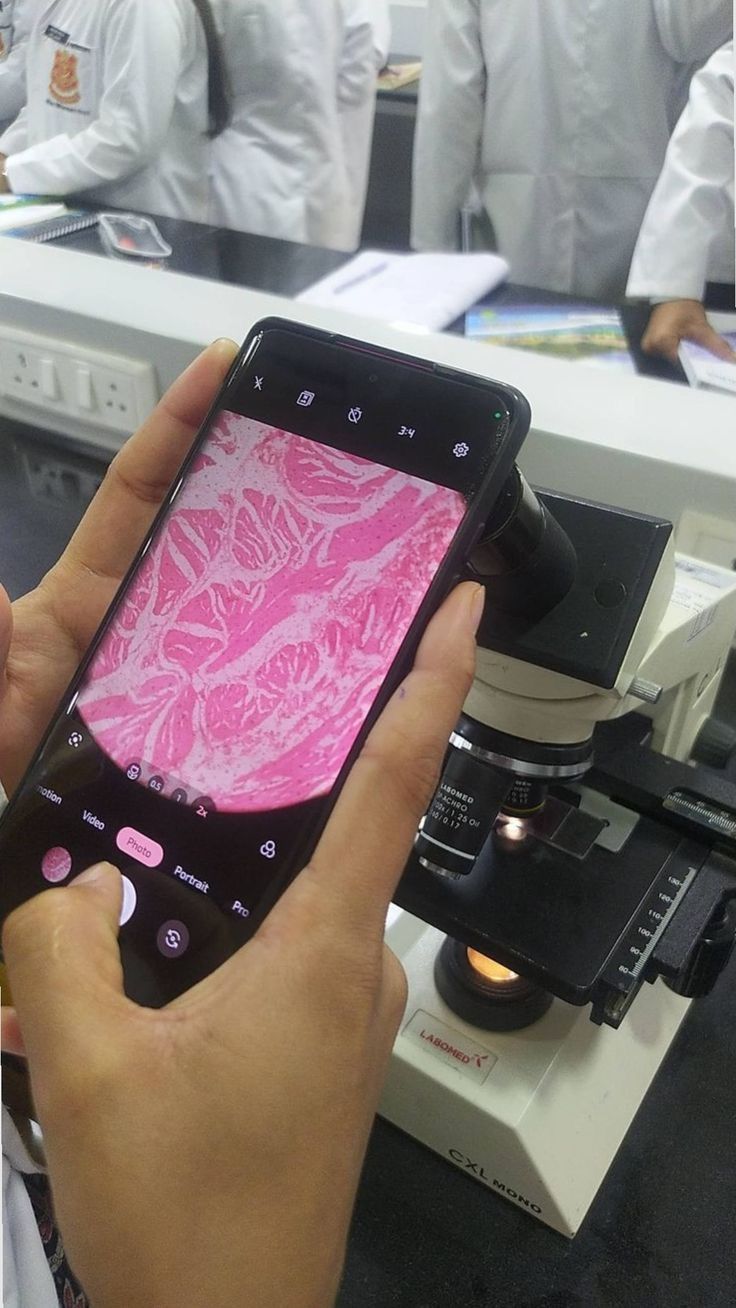
Laboratory of Histology Science

It specializes in studying the fine structure of cells and tissues using advanced microscopic techniques, alongside theoretical presentations of the subject matter.

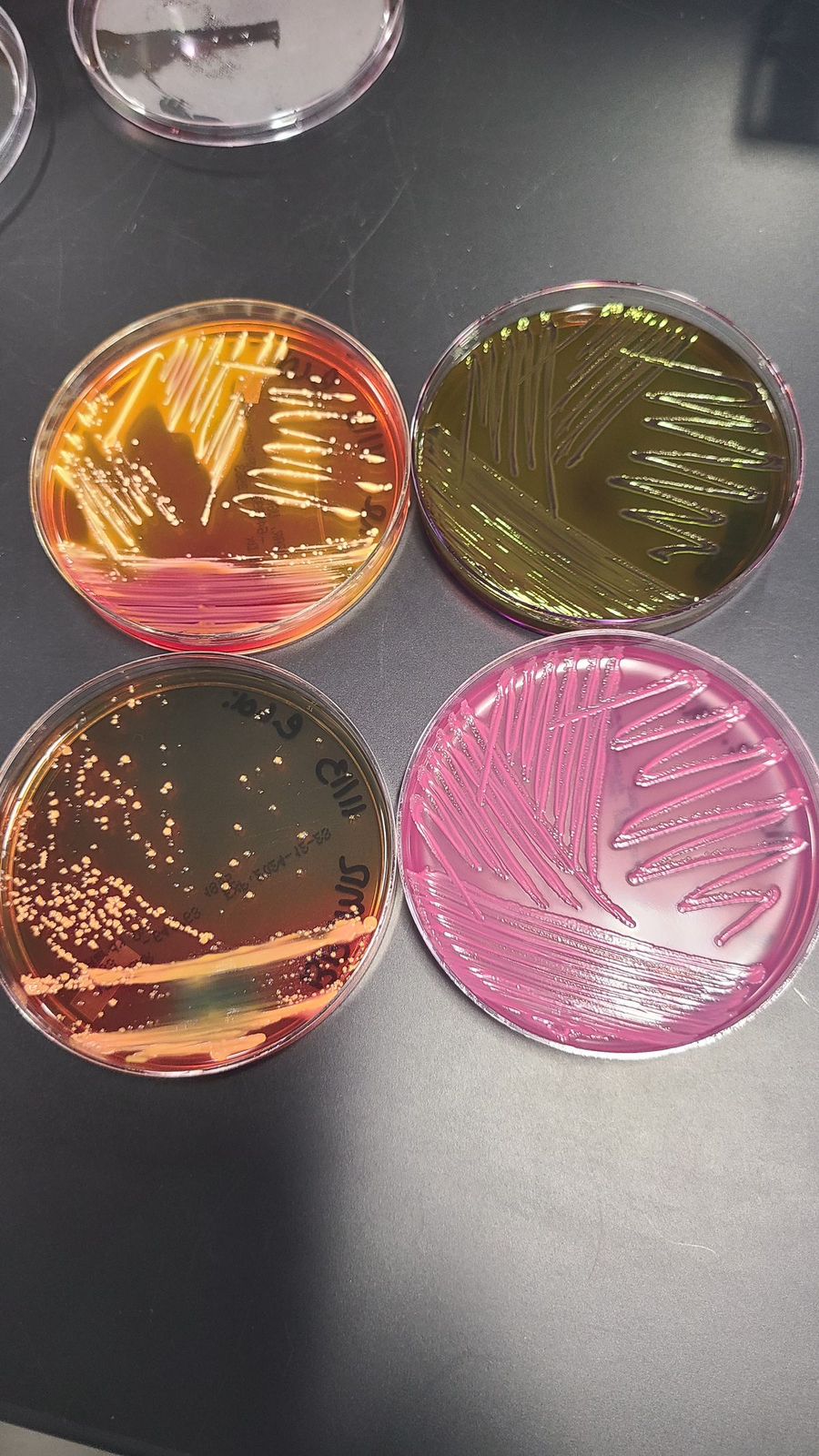
Laboratory of Microbiology

It is considered one of the fundamental laboratories in the College of Pharmacy, where students become acquainted with key diagnostic tests for bacterial, viral, and parasitic pathogens, in addition to diagnosing immunological disorders. The laboratory is equipped with the latest diagnostic instruments and equipment.

Laboratory of Toxicology

It aims to teach students how to analyze toxic substances, understand their effects on the body, diagnose cases of poisoning, and provide therapeutic solutions.


Laboratory of Inorganic Pharmaceutical Chemistry

It includes teaching students the fundamentals of inorganic pharmaceutical chemistry related to drugs and pharmacological agents, as well as the preparation and characterization of pharmaceutical compounds using various techniques.

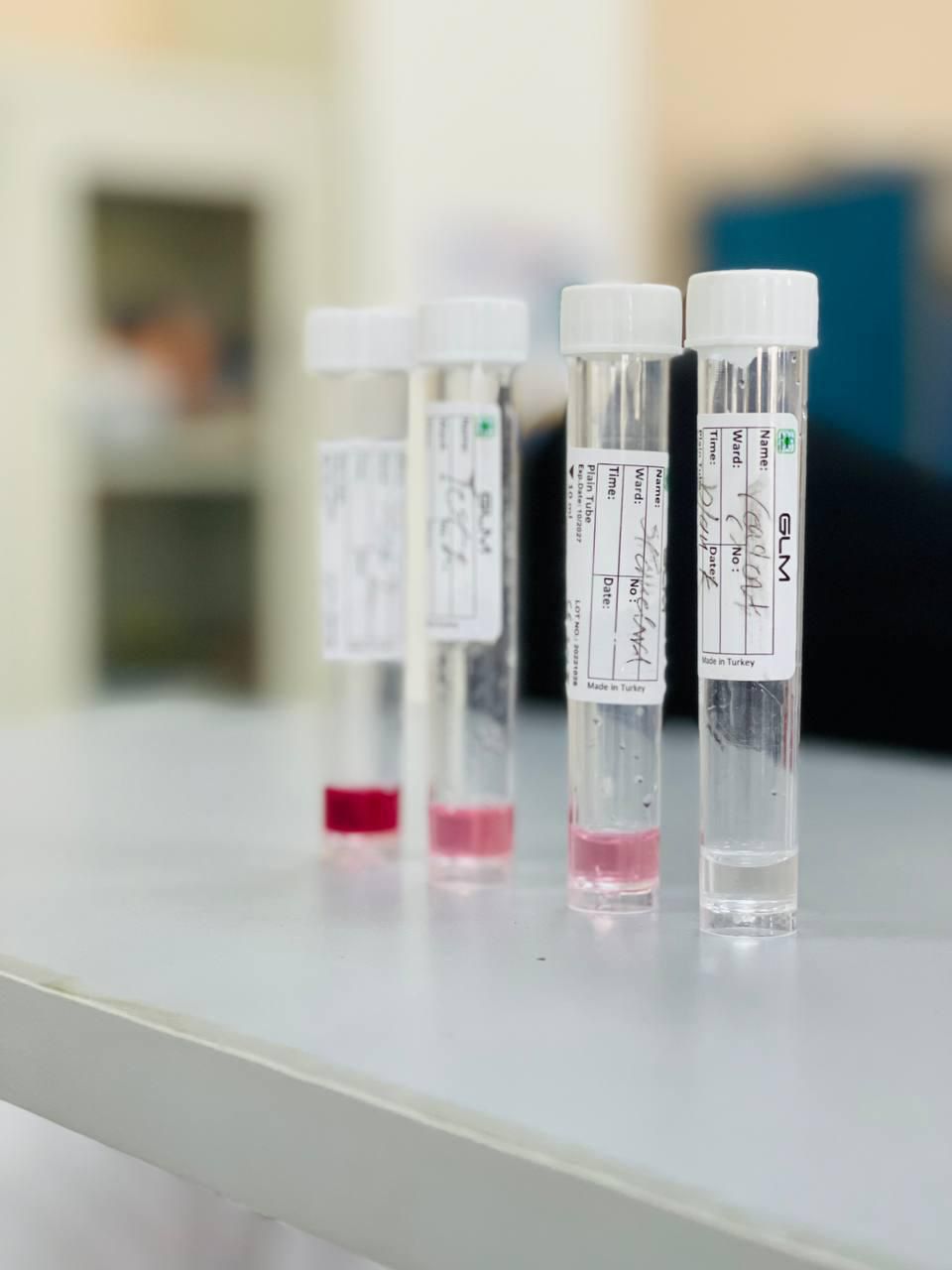
Laboratory of Clinical Chemistry

It aims to teach students how to analyze biological samples to determine a patient’s health status.

Computer Laboratory

The laboratory provides training in the use of computer software and its applications in pharmaceutical fields.