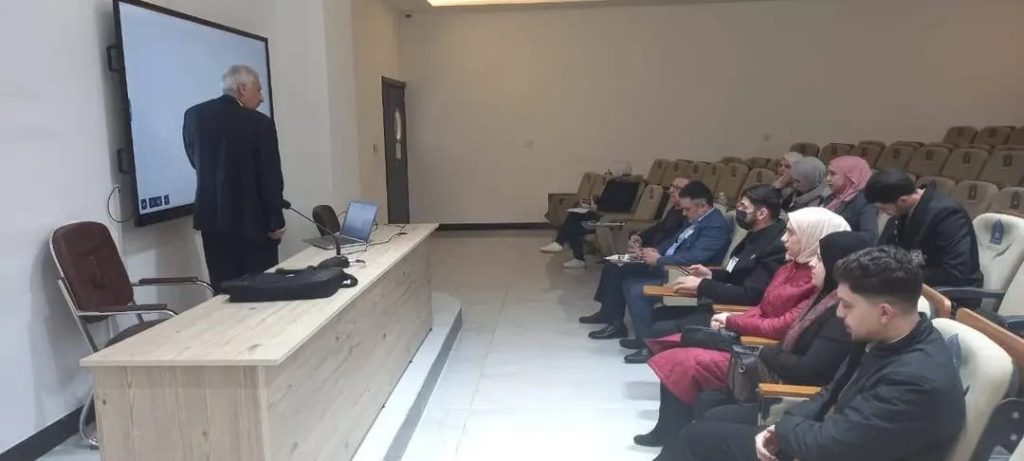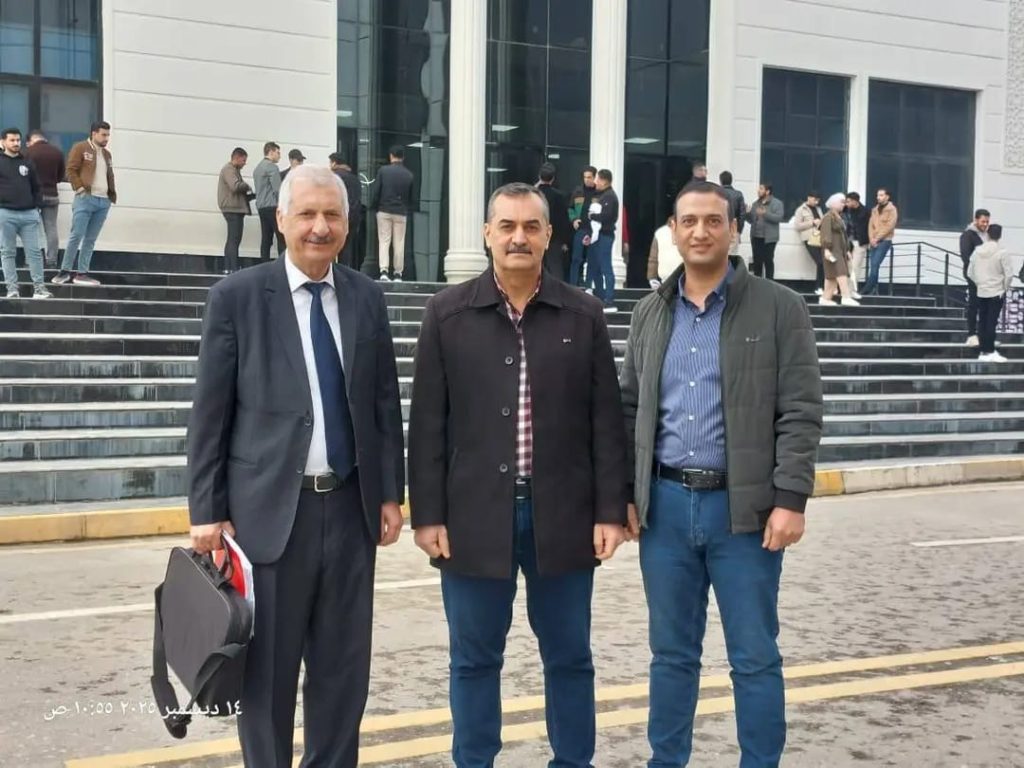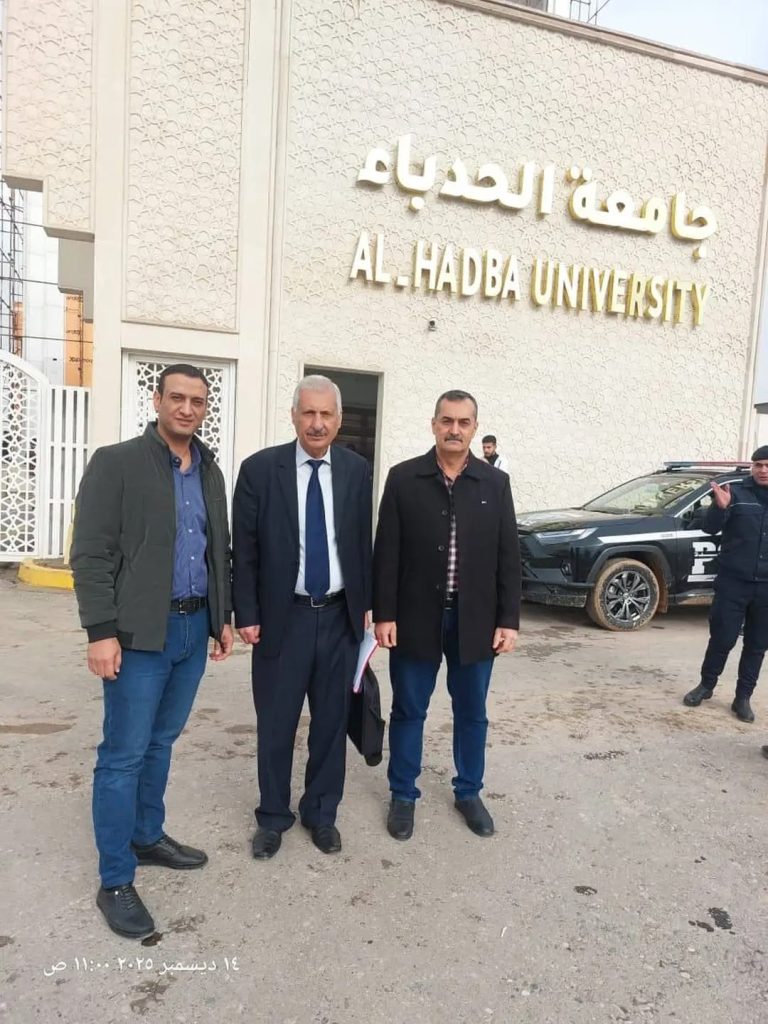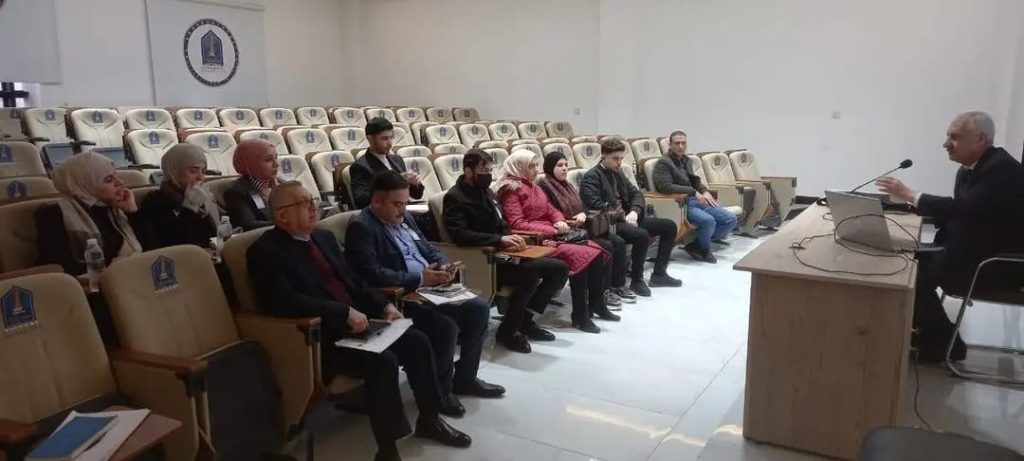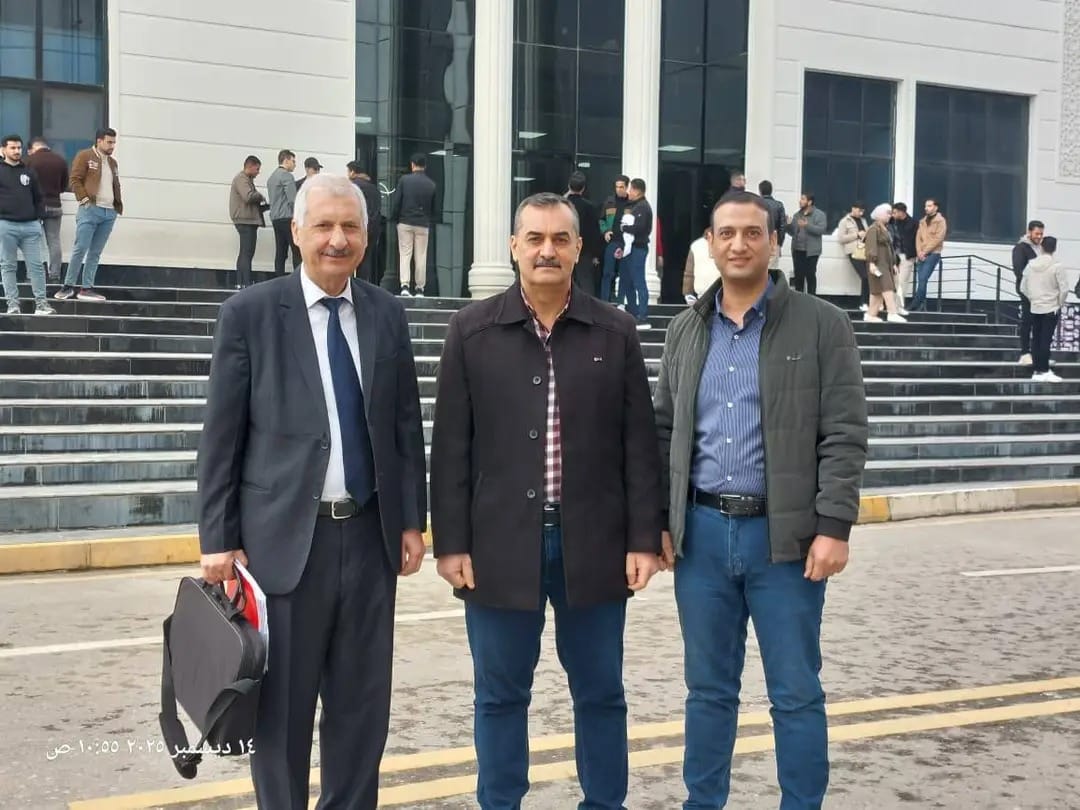
In reference to the Joint Scientific Cooperation Agreement between the University of Ninevah and Al-Hadbaa University, the Department of Quality Assurance and University Performance at the University of Ninevah, in cooperation with the Center for Continuing Education, organized a specialized training course on the Energy Management System standard (ISO 50001:2018) over a period of three days, hosted at Al-Hadbaa University.
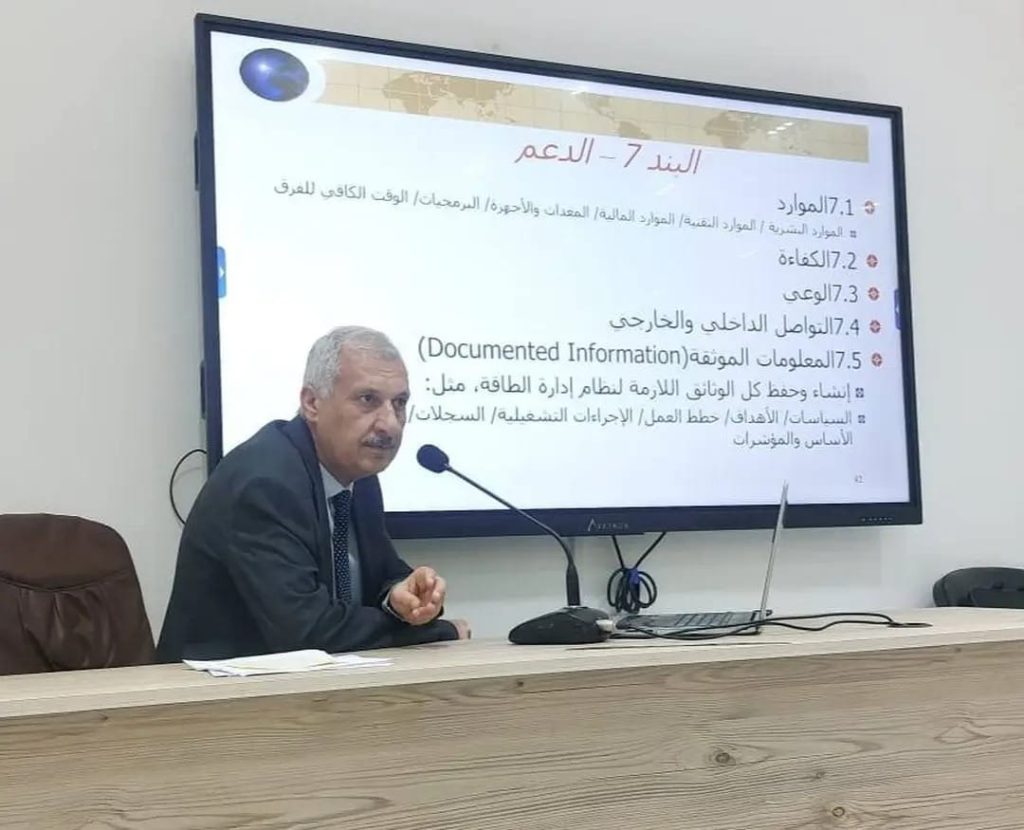
The course was delivered by Senior Chief Chemist Abdul Mawjood Abdul Wahid Sultan, a consultant in the implementation of quality management systems, with the participation of a number of university staff members concerned with quality, energy, and administrative fields.
The course included a set of scientific and practical topics, most notably:
• An introductory overview of the concept of the Energy Management System.
• The importance and need for universities to implement an Energy Management System.
• An introduction to ISO 50001:2018 and its relationship with other international standards, particularly:
• ISO 14001 Environmental Management System
• ISO 45001 Occupational Health and Safety Management System
• An explanation of the structure and requirements of ISO 50001:2018.
The course also featured a number of practical exercises and workshops aimed at facilitating the understanding and application of the standard’s requirements, including:
• Developing plans to establish energy consumption databases for buildings and laboratories.
• Reviewing energy-saving practices in administrative buildings and laboratories.
• Designing training plans for staff to raise awareness of energy efficiency.
• Clarifying mechanisms for activating corrective actions within the Energy Management System.
This course comes as part of the University of Nineveh’s commitment to promoting the concepts of quality, sustainability, and energy efficiency, and to activating scientific cooperation agreements in a way that contributes to institutional performance development and the enhancement of the university environment.