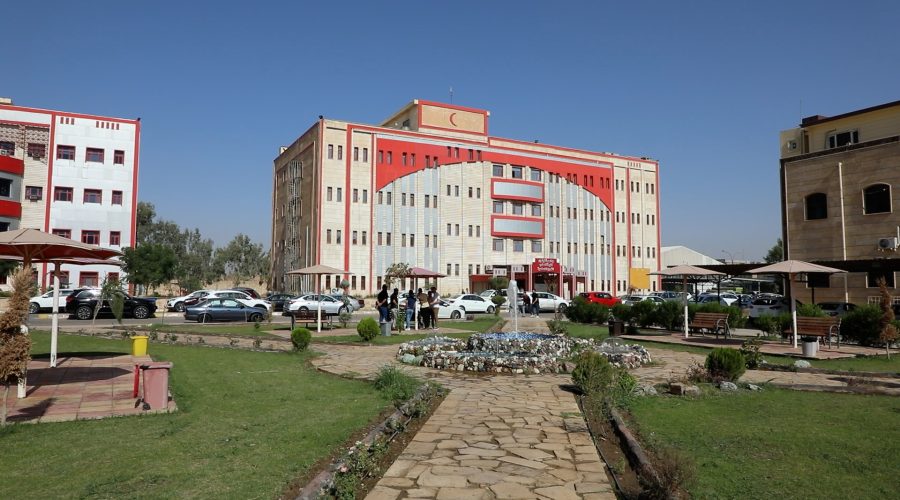
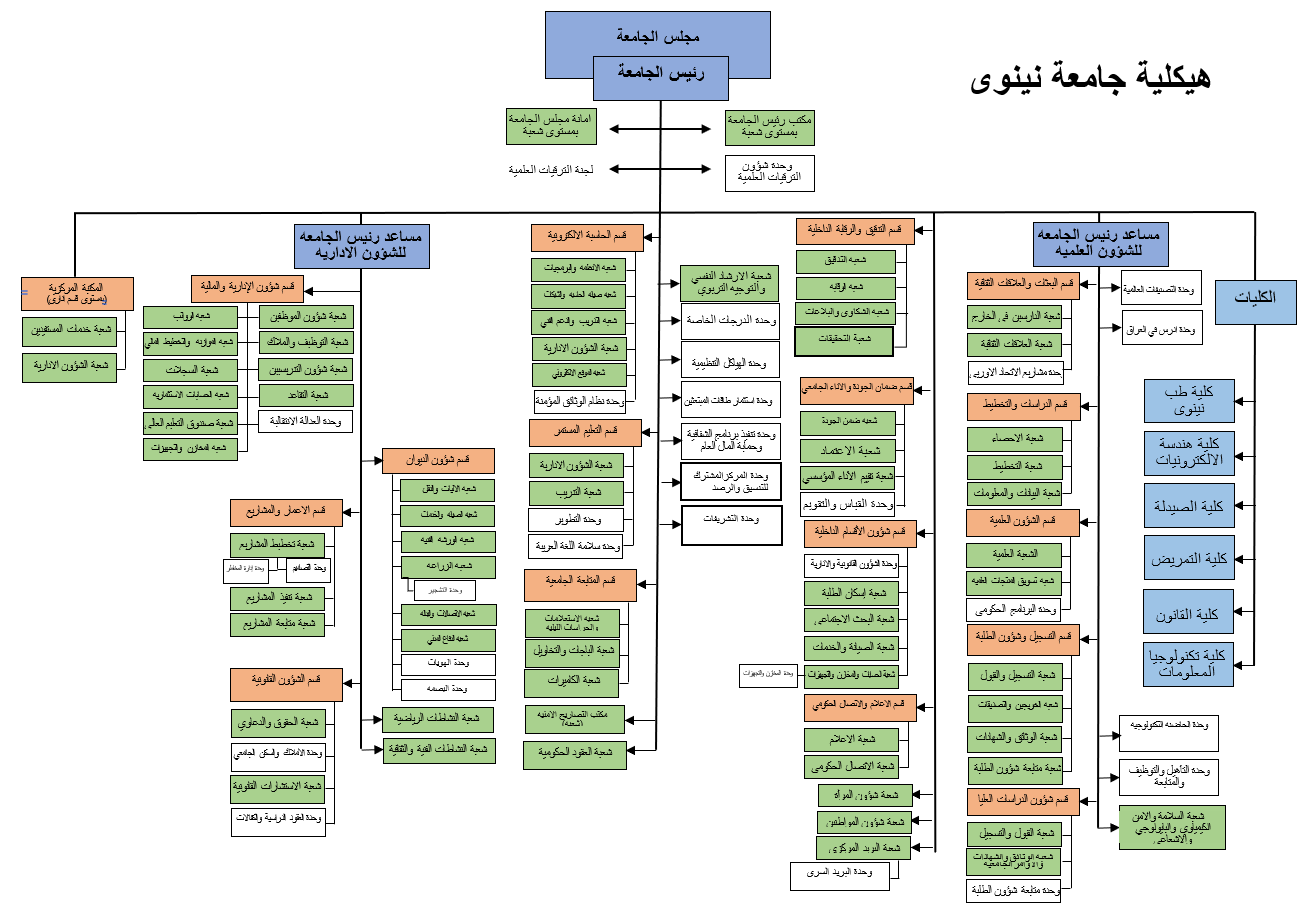
The Nineveh University is one of the public universities in Iraq, established in response to the growing need for higher education in Nineveh Governorate. Initially, the university operated as part of the University of Mosul before later becoming an independent educational institution.
The university gained its official independence in 2014 and has since been working to develop its academic programs to align with modern standards in higher education. It includes several colleges, such as the College of Medicine, the College of Electronics Engineering, and the College of Information Technology, and strives to expand its research capabilities and modern specializations.
Since its establishment as an independent university in 2014, the Nineveh University has witnessed remarkable progress on various fronts, including infrastructure, academic curricula, and scientific research, positioning it as one of the most promising universities in Iraq. Its development has been gradual, progressing through multiple stages, with a focus on building its colleges, expanding its programs, and enhancing its academic standing.


Nineveh University aspires to become a leading academic institution, in alignment with the highest international standards.
Nineveh University seeks to prepare qualified graduates in the academic disciplines offered through its programs, ensure the quality of education in accordance with international standards, support scientific research that contributes to sustainable development, direct its educational and research efforts toward serving the local community, and provide a stimulating academic environment that fosters creativity and the desired development.
The strategic objectives of Nineveh University, within their broader framework, are aligned with the strategic direction of the University’s strategic leadership. They are as follows:
The strategic plan serves as a roadmap to excellence when developed in accordance with scientific principles and their practical applications. The planning process represents the collective thinking of strategists within the organization, as well as the involvement of all stakeholders responsible for the implementation and monitoring of strategic planning.
In this context, the Nineveh University has mobilized the necessary resources to establish a strategic planning operations room, comprising academic, administrative, technical, and advisory personnel in the field of strategic management. Accordingly, the university aimed to develop a long-term strategy focused on transforming its scientific and research domains, serving the local community, developing the skills of all university personnel, and elevating the standards of teaching and learning in line with desired quality assurance standards.
Based on the above, the teams tasked with this mission adopted an approach of analyzing the current reality as a starting point toward achieving the desired goals of its five-year plan (2021–2026). Within this timeframe, the Nineveh University aspires to achieve excellence and leadership, God willing, in the aforementioned areas.
The teams responsible for the strategic plan project took into account the expectations of stakeholders regarding the scientific, cultural, and civilizational value, as well as service to the local, regional, and international community. These elements formed the qualitative foundation of the strategic direction for the university’s leadership.


In the Name of Allah, the Most Gracious, the Most Merciful
“Allah will raise those who have believed among you and those who were given knowledge by degrees. And Allah is Aware of what you do.”
(Surah Al-Mujadilah, Verse 11)
Since its establishment on 3 February 2014, Nineveh University has represented a distinguished educational institution in Iraq, embarking on a new phase in its journey toward academic excellence and development, with the aspiration of attaining a prominent position among Iraqi universities and ultimately achieving international recognition.
One of the University’s foremost priorities is the continuous development of its strategy to ensure the realization of its aspirations, particularly through enhancing the educational process, strengthening research and innovation, maximizing the effective use of available opportunities and resources, and supporting the professional development of its academic and administrative staff. The purpose of this continuous modernization is to strengthen the University’s role and contribution to the advancement of the nation, while ensuring its position as a leading institution. Efforts will also be directed toward achieving the University’s strategic objectives, supporting its future direction, and contributing to its continued development.
The University has a distinguished academic structure that brings together educational and research excellence. It continuously strives to promote innovation and development in teaching, learning, and scientific research, while embracing the principles of excellence and continuous improvement to ensure that the needs of students and society are met and that the University responds effectively to the requirements of the modern era. It also seeks to make a positive contribution to societal development and to nurture future leaders and innovators by providing an inspiring educational environment and advanced research platforms. In this regard, Nineveh University is committed to creating new opportunities that enhance prospects for success and excellence.
We have full confidence in the readiness and commitment of all members of the University community to exert their utmost efforts in implementing the University’s strategy and achieving its goals and aspirations for the benefit of our staff and our cherished community. We are therefore confident that everyone will feel that this University is truly their own university and an important chapter in their history. We encourage them to work with dedication, sincerity, and perseverance to establish a distinguished position for the University and to make it a source of pride and a benchmark for excellence.
We further affirm that the Office of the University Presidency remains open to everyone. We will work together to overcome challenges and reaffirm our belief that every member of our University community is distinguished, creative, and dedicated.
In conclusion, we extend our sincere gratitude to the Strategic Planning Committee and to all those who contributed to the development and implementation of the University’s strategy. The University also expresses its appreciation to the external partners and collaborating institutions that contributed to aligning the strategy with relevant external frameworks and perspectives. In particular, we would like to acknowledge the Strategic Planning Consultant, Prof. Dr. Tariq Shareef Younis, for his valuable contribution.
We pray to Allah Almighty to facilitate success and guidance in this endeavor, and to protect our beloved nation and preserve its security, peace, and stability.
Prof. Dr. Osama Ismail Al-Mashhadani
President of Nineveh University
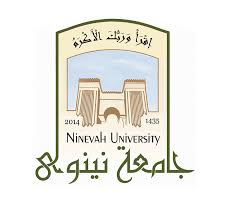
The logo of the Nineveh University was inspired by the city’s history, featuring the Nergal Gate of the wall surrounding the capital of the Assyrian Empire (Nineveh) at its center. This choice reflects the university’s name, which carries this ancient historical title known worldwide. The founding date of the university is inscribed at the bottom of the gate in both Gregorian and Hijri calendars.

At the top of the logo, the Quranic verse “Read, and your Lord is the Most Generous” (Surah Al-Alaq, 96:3) was chosen for its profound meaning emphasizing the importance of seeking knowledge. The command “Read” in the verse signifies the first step toward acquiring knowledge, followed by the stage of conveying and teaching others, all with the support of the Most Generous, Almighty God, the Creator of all things.
This verse is designed in a crescent shape at the top of the logo. The name “Nineveh University” is written in the Kufic script, a style historically used in writing Quranic verses and copying the Quran before the 4th Hijri century. The letters of the university’s name extend to embrace the logo’s content, symbolizing wisdom and history.
The predominant colors of the logo are earthy brown and beige, representing calmness, neutrality, and a sense of prestige and reliability. Green was chosen for the university’s name, symbolizing peace, renewal, growth, and generosity.
The flag of the Nineveh University features colors inspired by the logo. It is rectangular, with a width two-thirds of its length, and divided diagonally into two halves. The upper half is white, while the lower half is green, reflecting the meanings associated with green as mentioned in the logo’s description. The university logo is placed in the upper right corner of the flag.
If you ever journey toward civilization, And night leaves you lost on the paths, And you come upon an edifice where breezes. From the Tigris and Euphrates gently flow, Where the fragrance of knowledge fills the air, Awakening the springs of life from stone, Then you are at my Nineveh University.
My university has united us through the love of knowledge, A nation bound by passion, or walls of towering halls. In the covenant of Nergal, its windows shine, And there, I will raise my head with pride and honor, For its name is Nineveh, a crescent of learning on every seat, Receiving glory from the ancients, And enriched by the hands of the moderns.
It travels from doubt to certainty, Growing full like the moon over the years, Rising high with my Nineveh University. It is the mother tree, from every direction, Birds flock to its branches and sing, And time listens, echoing its melodies forever.
The voice has echoed through every era, And the echo returns: my Nineveh University.
Global Rankings

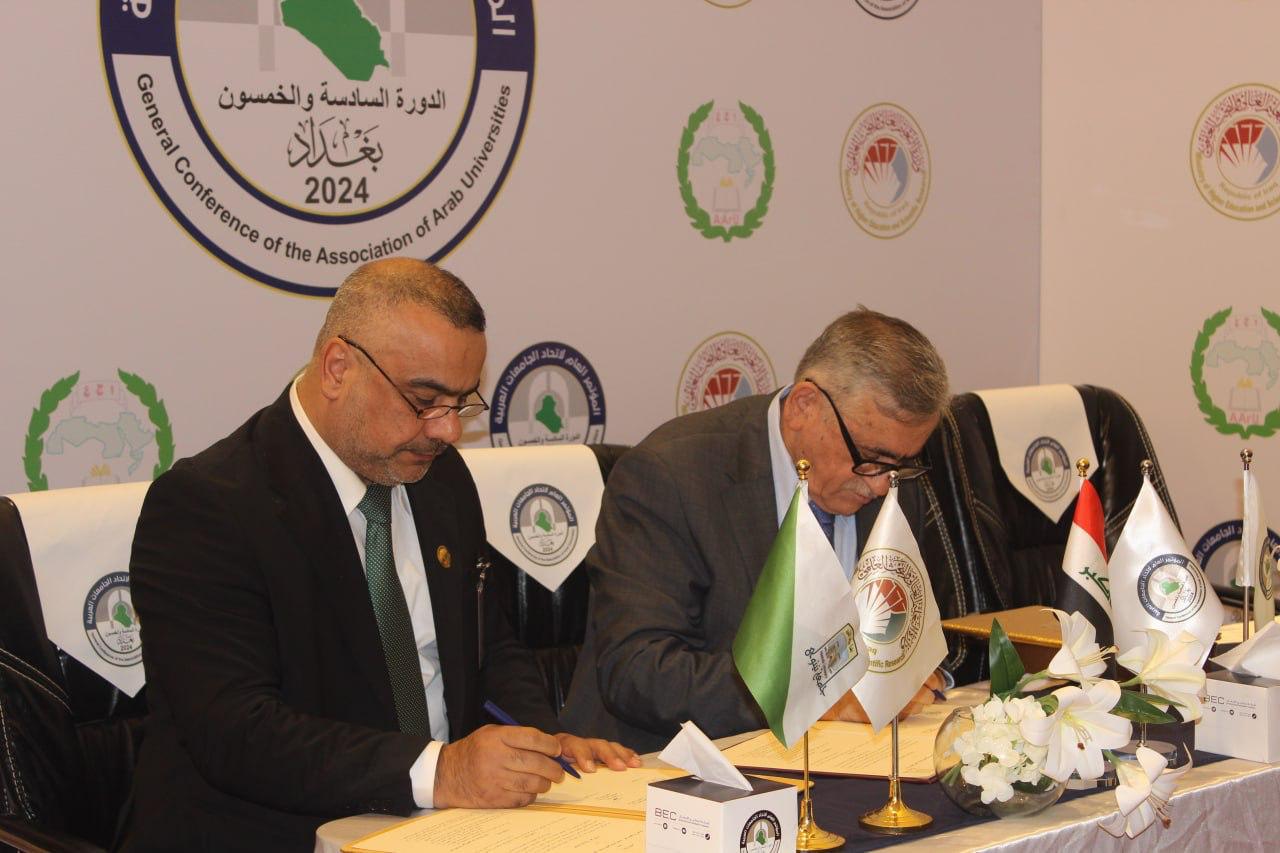
To elevate the Nineveh University to the level of global universities and in accordance with the directives of the Ministry of Higher Education and Scientific Research, the university has engaged with a number of local, Arab, and international universities. The aim is to foster joint cooperation through the development and training of university staff, the exchange of expertise, joint research publications, and active participation in projects. This is achieved by establishing mutual cooperation agreements with these institutions. Below is a list of universities with which cooperation agreements have been signed: