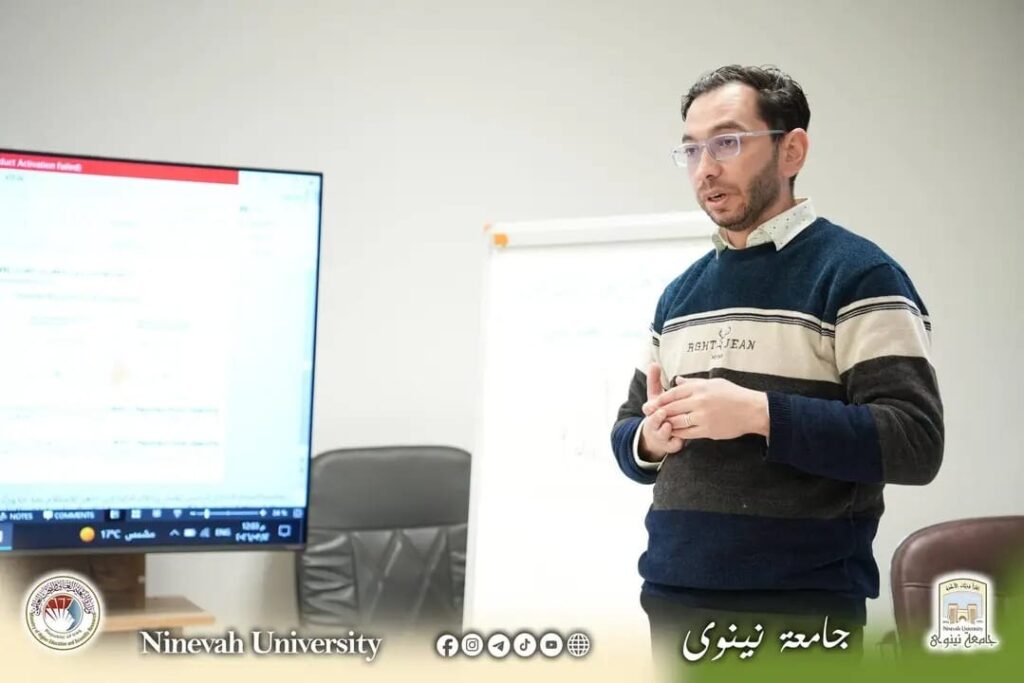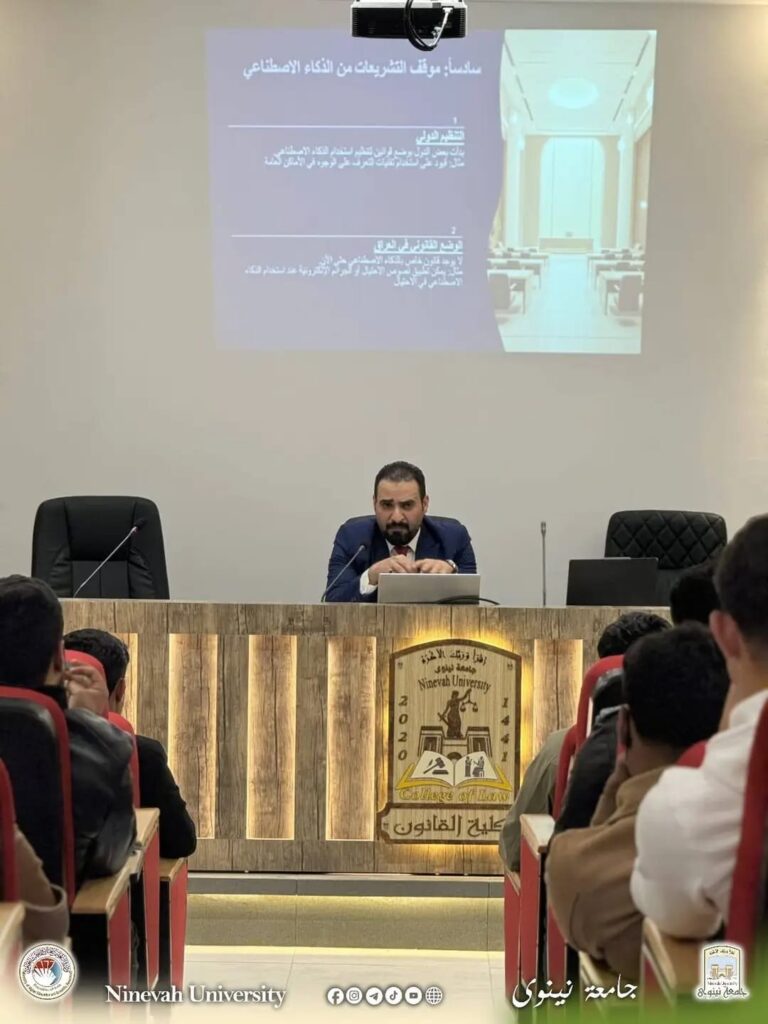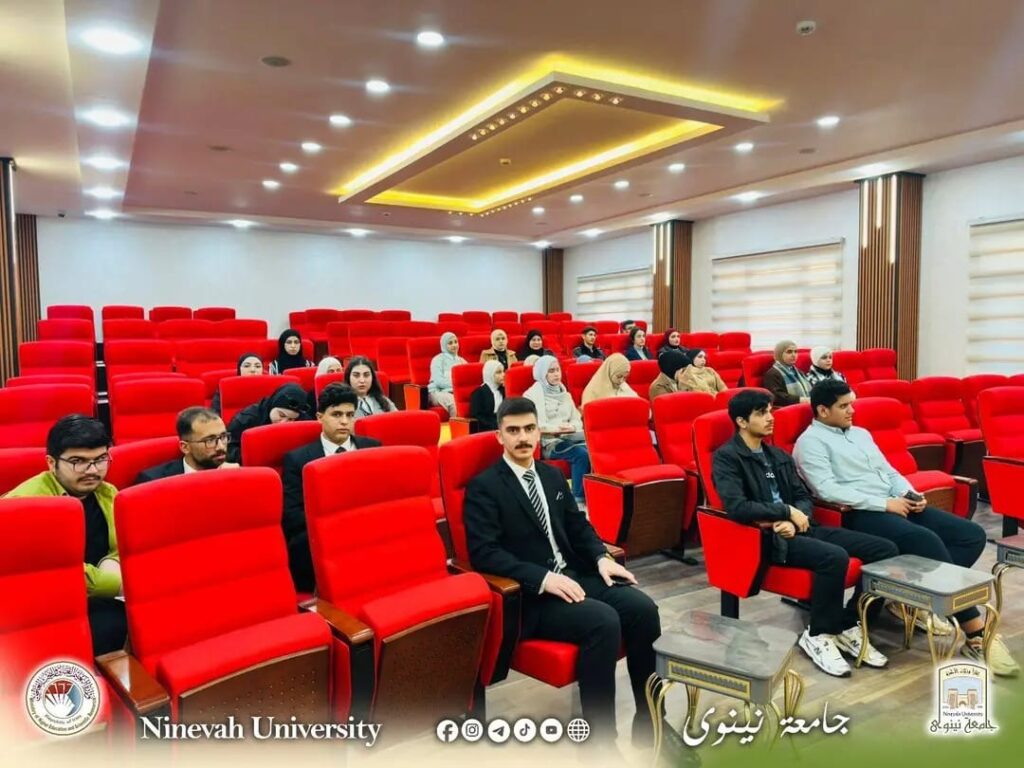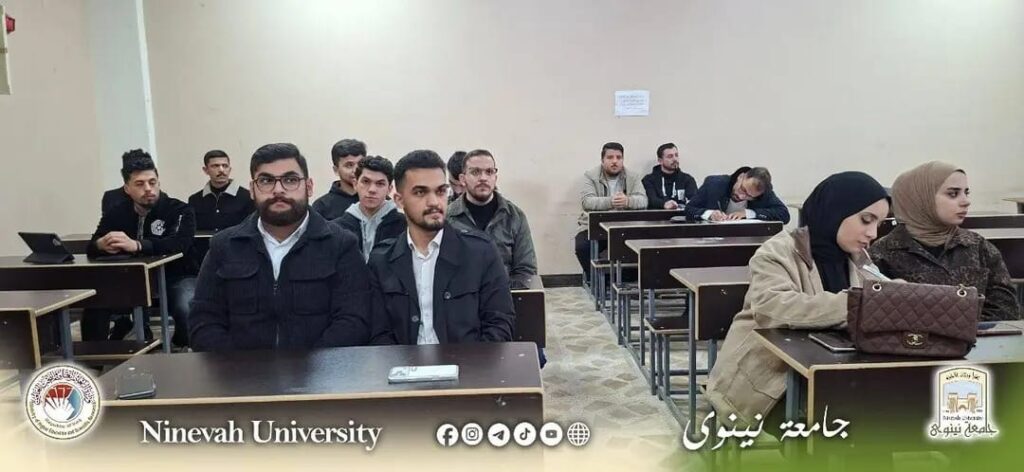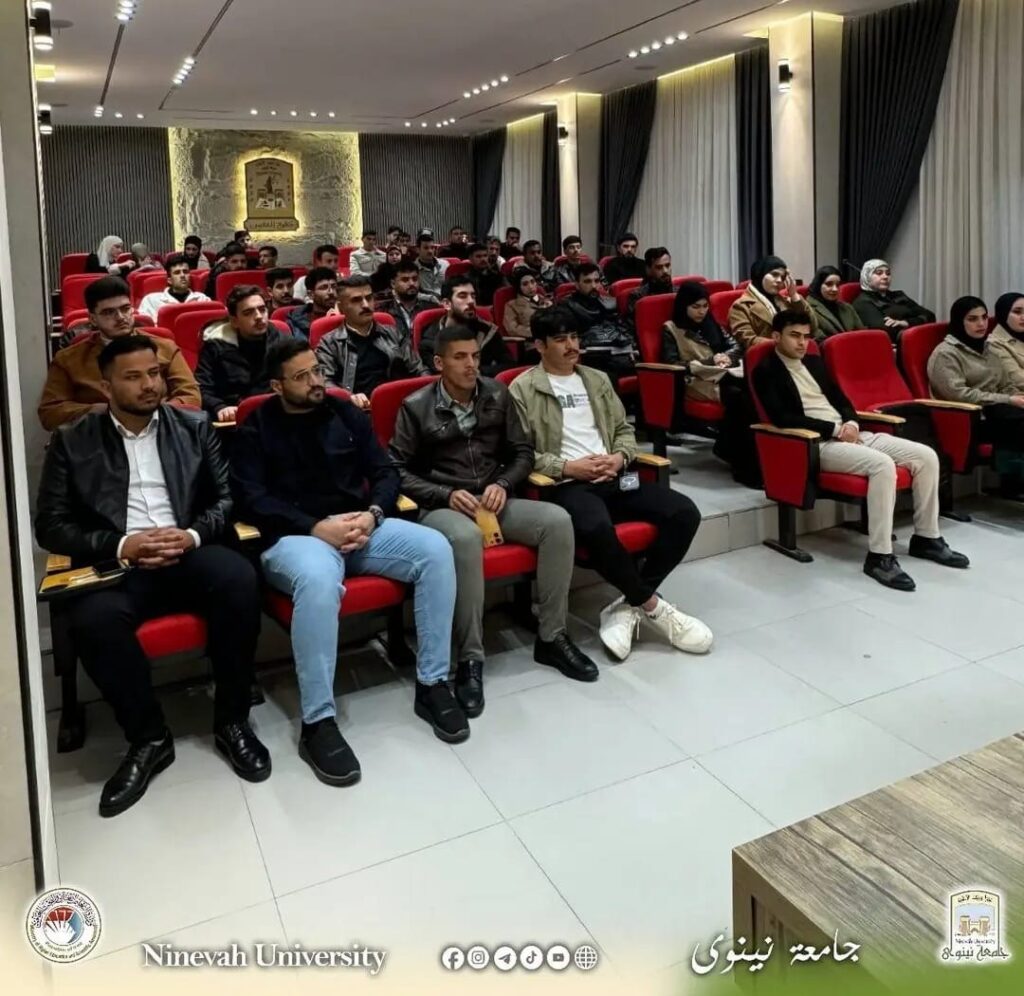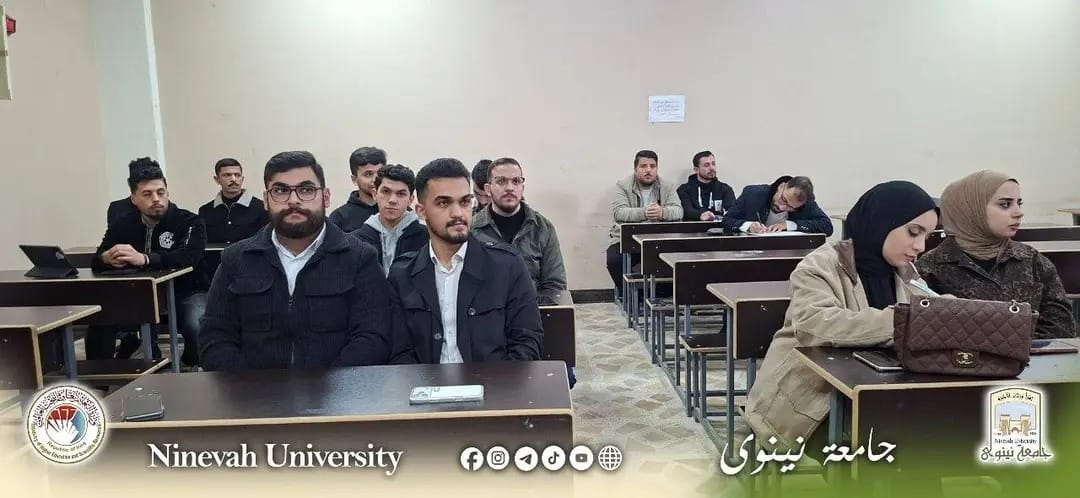
Based on the directives of the respected President of the University and under the supervision of the respected Assistant President of the University for Scientific Affairs, and within the activities of the Department of Science and Technology Parks – the Qualification, Employment, and Follow-up Division – and in implementation of the division’s annual plan, the Qualification, Employment, and Follow-up Unit at the College of Information Technology, in cooperation with its counterpart at the College of Law, organized a joint training course on Sunday, March 8, 2026, entitled “Artificial Intelligence in the Fields of Law, Medicine, and the English Language.”
The course lasted for three days and its sessions were held in three specialized halls.
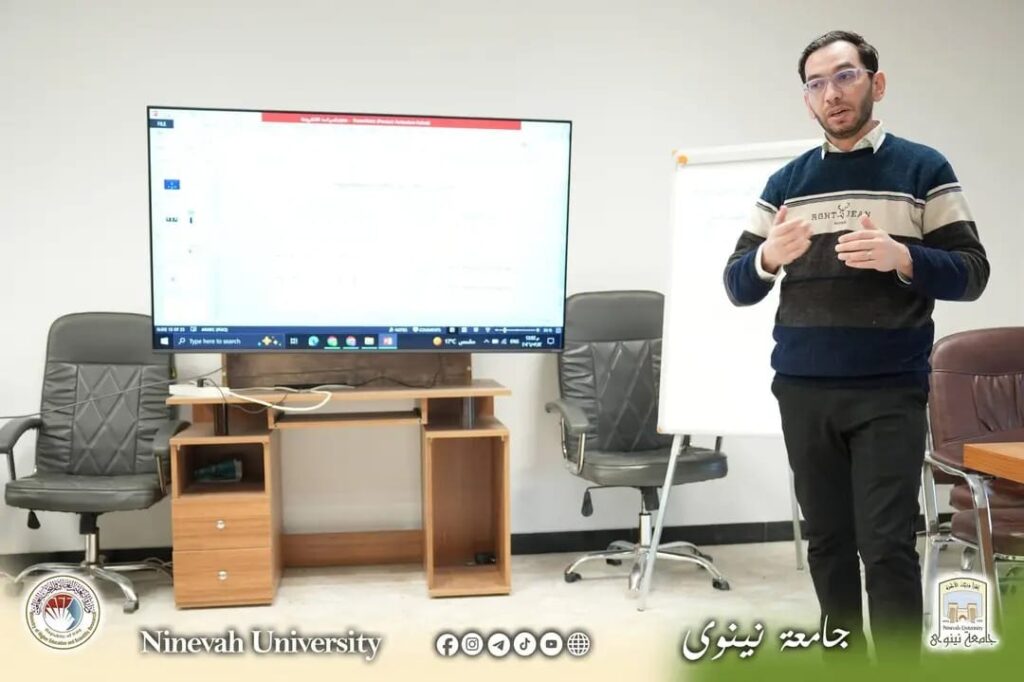
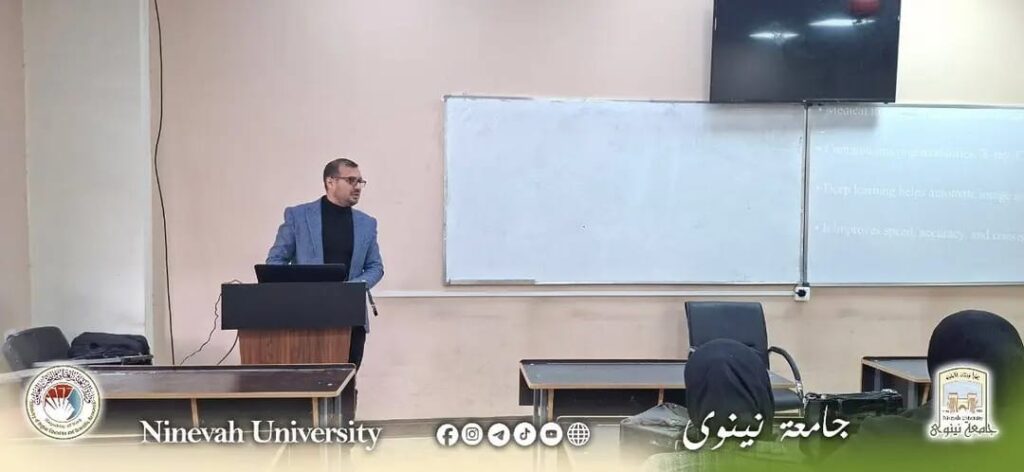
The lectures of the course were delivered by Dr. Ahmed Qasim Ahmed, Lecturer Faisal Farhan Nouri, and Lecturer Suha Abdulmohsen Yahya, who presented specialized scientific topics on the applications of artificial intelligence in various fields.
On the first day, the course highlighted the role of artificial intelligence technologies in supporting legal work through analyzing legal texts, searching legislation and judicial rulings, and assisting in the preparation of legal memoranda. It also addressed the use of AI in analyzing digital evidence and detecting criminal patterns, in addition to discussing the legal framework and responsibility related to AI-related crimes and the necessity of developing legislation to keep pace with technological advancement.
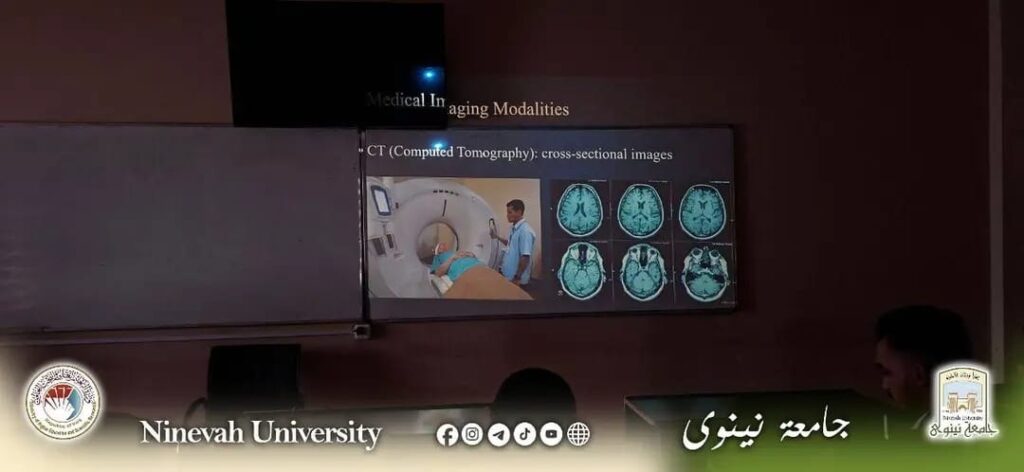
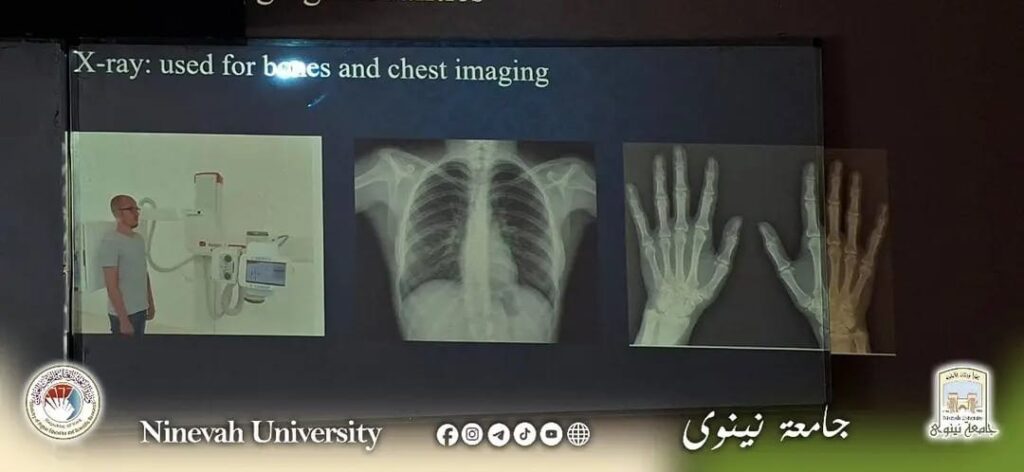
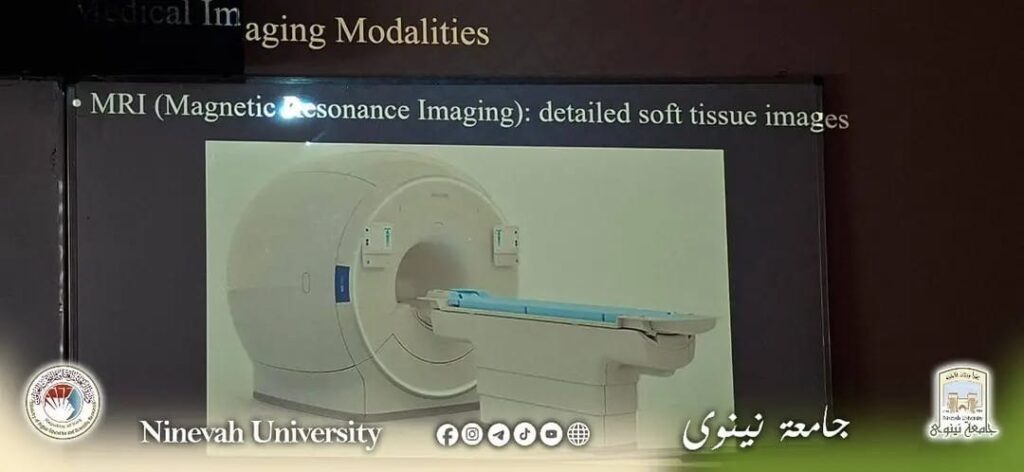
The second day was dedicated to the field of medicine, where the course reviewed the applications of artificial intelligence in medical imaging and disease diagnosis. It also introduced deep learning techniques and models used in medical image analysis such as CNN, U-Net, and ResNet, and their role in detecting tumors and improving the accuracy of medical diagnosis.
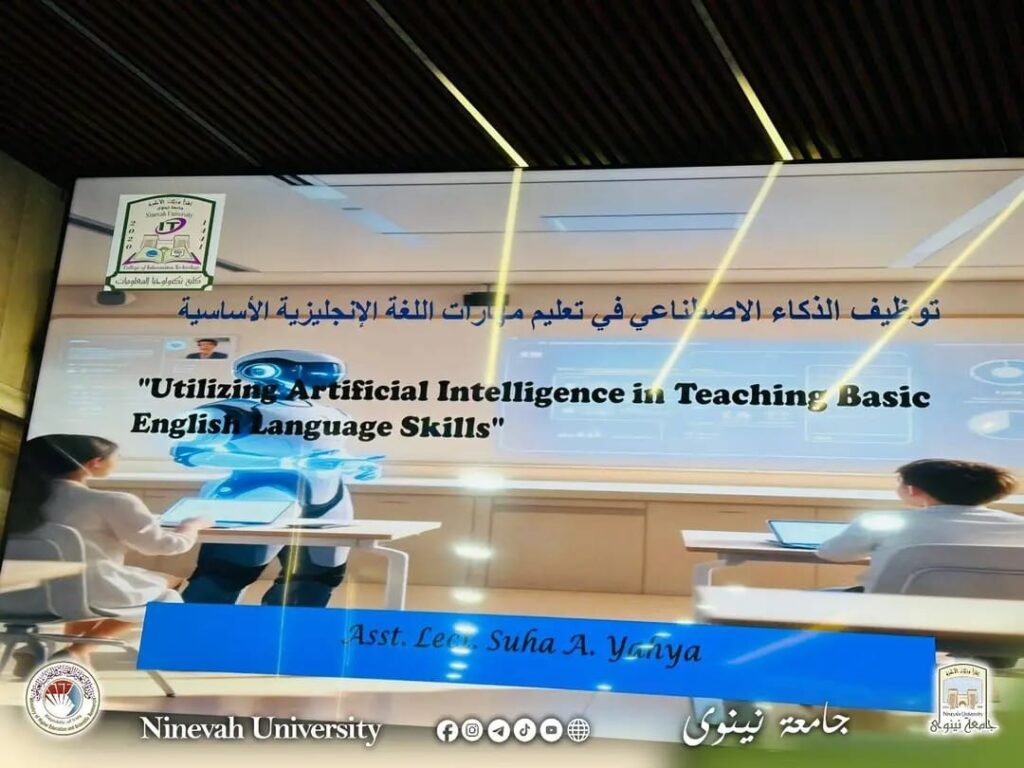
On the third day, the course addressed the use of artificial intelligence in learning basic English language skills, by presenting the most prominent applications that support listening, speaking, reading, and writing skills. It also discussed the role of these technologies in text analysis and correcting linguistic errors, in addition to addressing challenges related to their use such as privacy issues and excessive reliance on intelligent systems.
This course comes within the framework of the keenness of the colleges of the University of Ninevah to keep pace with modern technological developments and employ them across various scientific and humanities disciplines.